Cleaning smartphones, laptops, tablets, cameras, and monitors with the wrong type of wipe is one of the most common causes of damage to screen coatings and electronic components. The problem is that most wipes found in a household — antibacterial wipes, standard disinfecting wipes, kitchen cleaning wipes — contain ingredients that are safe on hard, impermeable surfaces but damaging to the specialized coatings on modern screens and the sensitive materials inside electronic device housings.
This guide covers which wipe types are safe for different electronic surfaces, what ingredients to avoid, and how to choose the right product for screens, keyboards, camera lenses, and device exteriors.
Modern smartphones and tablets have screens coated with an oleophobic (oil-repelling) layer that reduces fingerprint transfer and makes the display easier to clean. This coating is applied at a very thin layer — typically just a few nanometers thick — and is chemically vulnerable to solvents, strong surfactants, and high-concentration alcohol.
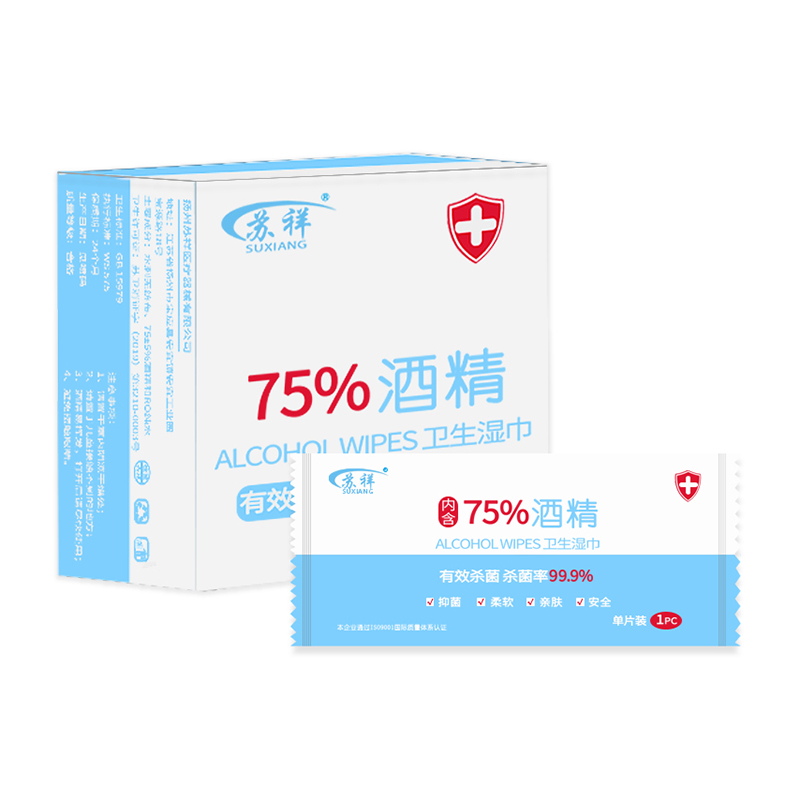
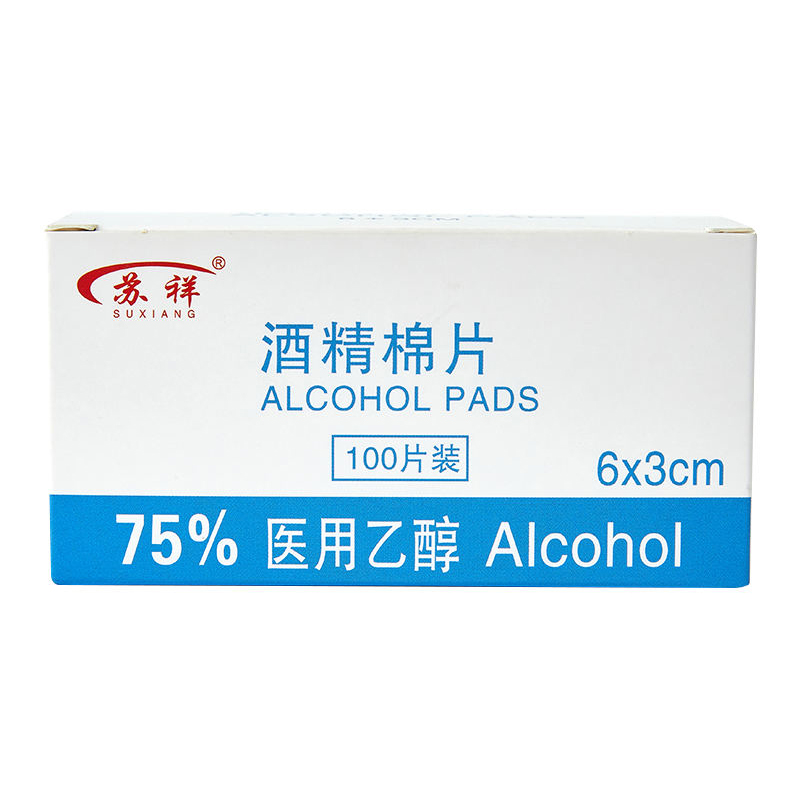
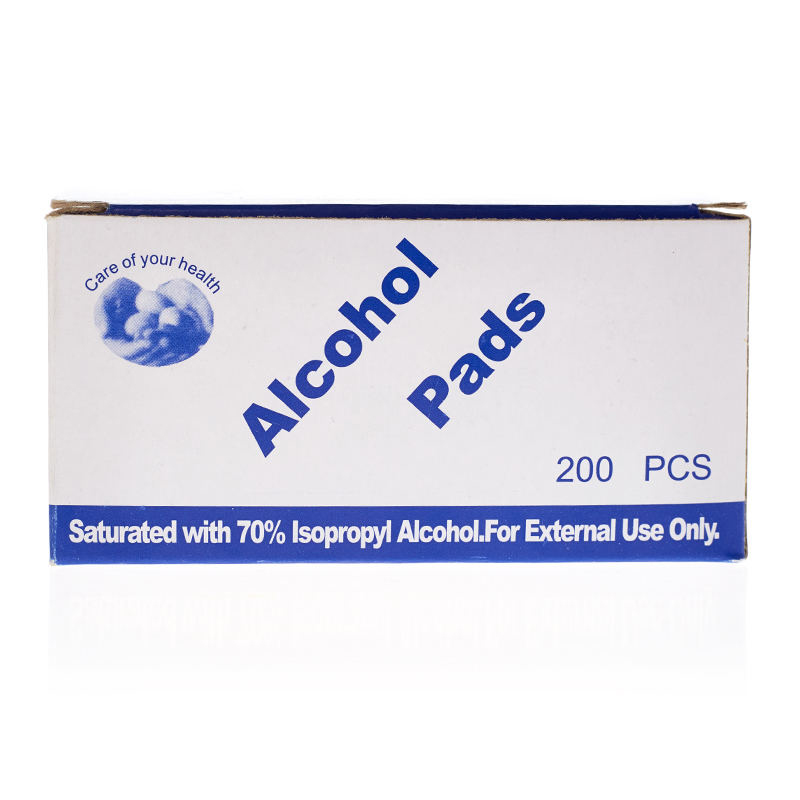
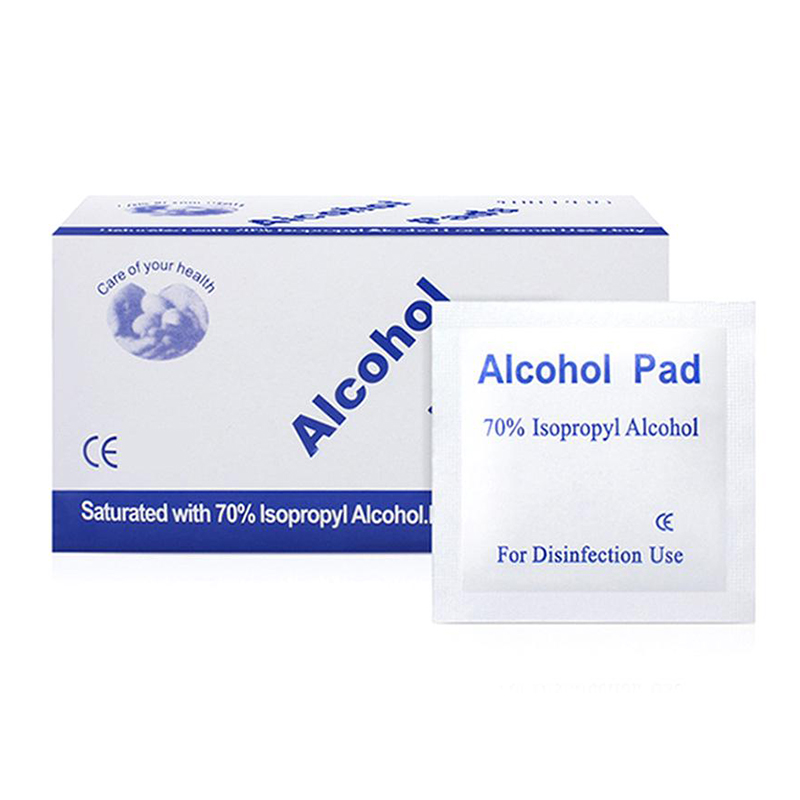
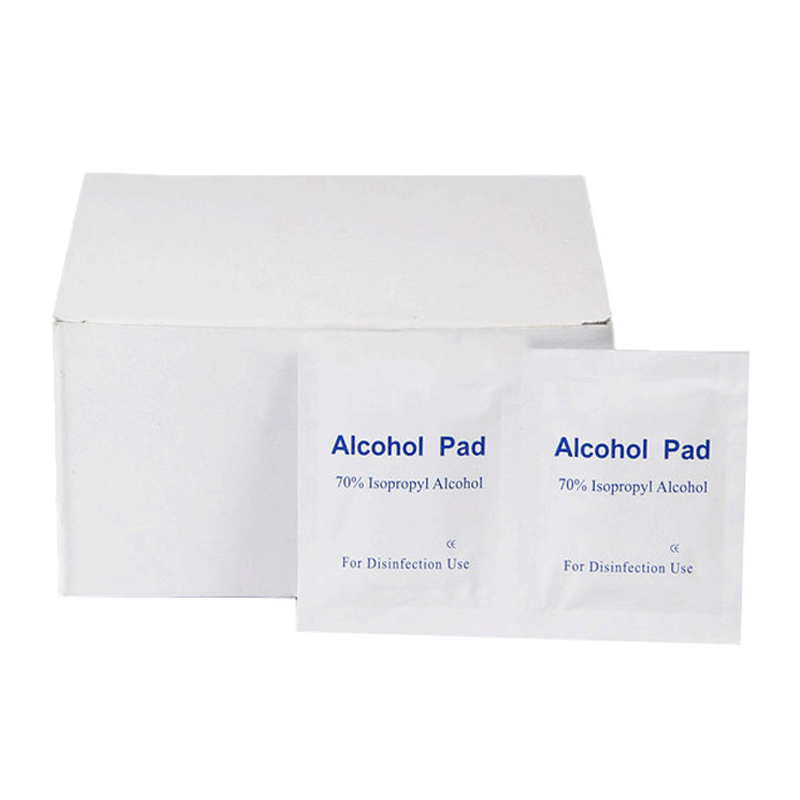
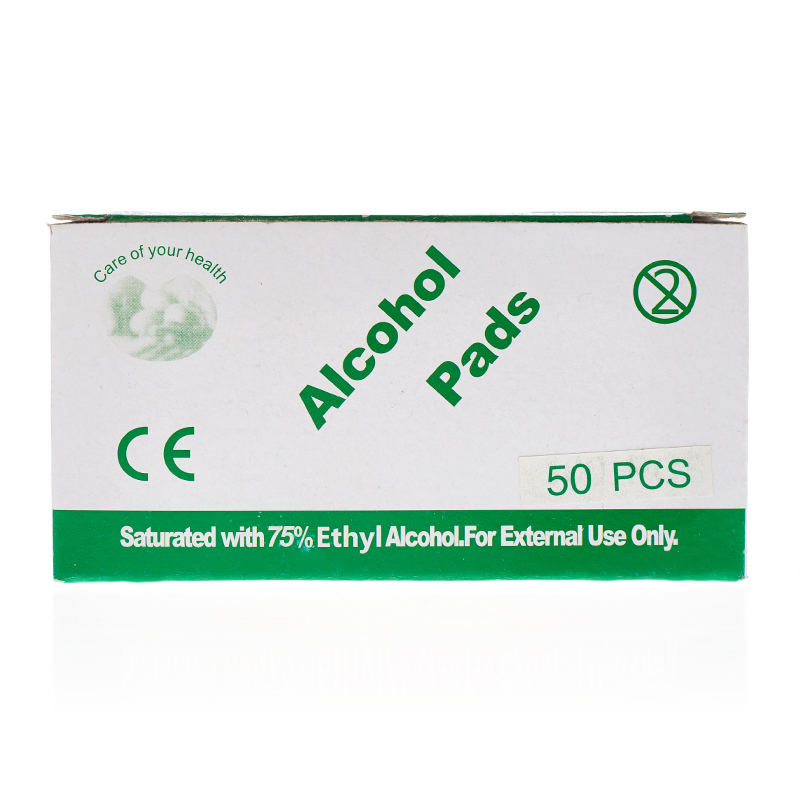
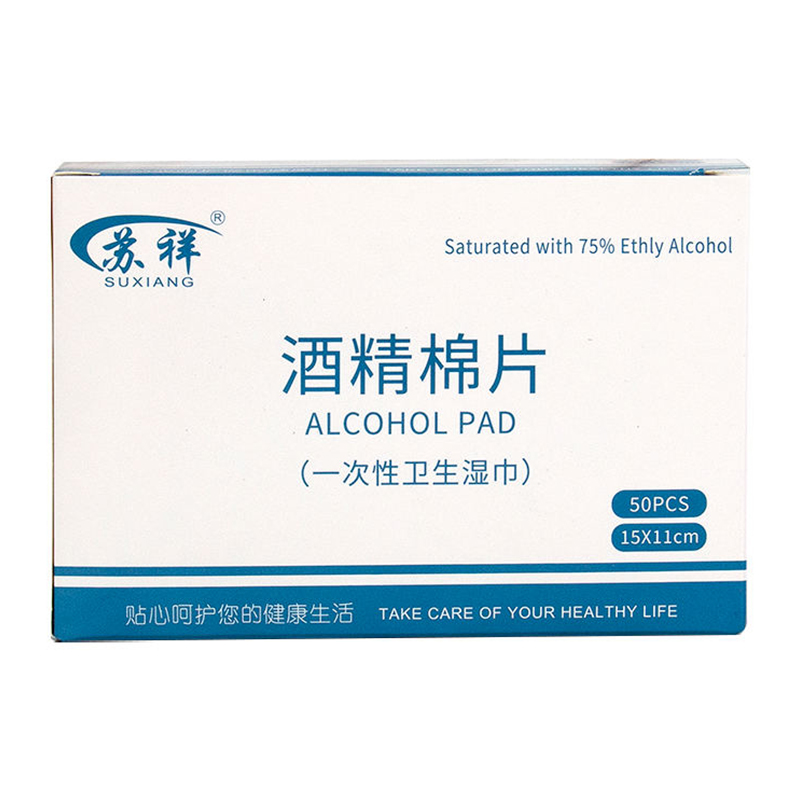
Standard disinfecting wipes containing 70% or higher isopropyl alcohol can degrade oleophobic screen coatings with repeated use. After several applications, the coating becomes patchy, and the screen loses its fingerprint-resistance and feels different to the touch. The damage is cumulative and irreversible — once the coating is stripped, it cannot be restored without professional recoating or screen replacement.
Beyond screen coatings, other materials commonly found in electronics are vulnerable to cleaning chemicals:
For daily screen cleaning, lens cleaning wipes or screen cleaning wipes specifically formulated for electronic displays are the correct choice. These products use a streak-free, low-alcohol or alcohol-free solution that dissolves fingerprint oils without attacking the oleophobic coating. The substrate is typically an ultra-soft microfiber or high-GSM spunlace non-woven that lifts oils and particles without mechanical scratching risk.
Most major smartphone manufacturers — Apple, Samsung, Google — now explicitly state that 70% isopropyl alcohol wipes may be used for occasional disinfection of the hard exterior surfaces of their devices (not the screen) when the device needs disinfecting rather than routine cleaning. For routine daily cleaning of screens, their guidance consistently recommends soft, lint-free cloths or purpose-made screen cleaning products rather than disinfecting wipes.
The practical approach that works for most users: use a dry microfiber cloth or a lens cleaning wipe for daily fingerprint and smudge removal; use a 70% IPA wipe for occasional disinfection when the device has been in a clinical or high-contamination environment, followed immediately by wiping with a dry cloth to minimize contact time with the coating.
Keyboard surfaces are typically non-coated ABS plastic — more tolerant of cleaning agents than screens. Apple and most other manufacturers explicitly approve 70% IPA wipes for cleaning keyboard surfaces on their devices. The caution is quantity: wipes should be damp, not dripping, and no liquid should enter the keyboard openings. A single pass with a 70% IPA wipe, allowed to dry before further use, is appropriate for keyboard disinfection.
Trackpad surfaces on most laptops are glass or textured hard plastic — treat these similarly to hard phone casings rather than screens. Occasional IPA wipe use is generally acceptable; avoid repeated daily application that would degrade any surface coating over time.
Monitor and TV screens — particularly OLED and QLED panels — have extremely sensitive anti-reflective coatings that are more delicate than smartphone screen coatings. Most monitor manufacturers explicitly prohibit the use of any alcohol-containing cleaning product on screen surfaces and recommend only a dry microfiber cloth or a specially formulated screen cleaning solution applied sparingly.
For monitor screens, lens cleaning wipes formulated specifically as alcohol-free screen cleaners are the safest option, where a pre-moistened wipe is preferred over a dry cloth. Never use standard household cleaning wipes, kitchen wipes, or antibacterial wipes on monitor or TV screens.
Camera lenses, binoculars, microscopes, and similar precision optical equipment have multi-layer anti-reflective coatings that are among the most chemically sensitive surfaces in consumer electronics. Only products specifically formulated for optical lens cleaning — typically described as lens cleaning wipes or optical cleaning wipes — should be used on these surfaces.
Optical lens cleaning wipes use an ultra-pure solution — typically deionized water with a trace of optical-safe surfactant or isopropanol at concentrations well below 70% — on a lint-free microfiber substrate that leaves no residue or fiber transfer on the coated optical surface. Standard alcohol wipes, screen wipes not specifically rated for optical use, and any wipe with a non-microfiber substrate should not be used on precision optical surfaces.
Hard exterior surfaces — glass back panels, aluminum housings, plastic cases — are generally tolerant of 70% IPA wipes for disinfection. The main precautions are: avoid getting liquid into ports or openings, do not use wipes that are saturated to the point of dripping, and avoid repeated daily use on painted or colored surfaces where dye fading is a risk.
For device cases (silicone, leather, fabric), check the case material before applying any cleaning product — silicone tolerates IPA wipes moderately well, leather requires leather-specific cleaning products, and fabric cases may stain or discolor with alcohol or surfactant application.
| Ingredient / Product Type | Risk to Electronics | Avoid On |
|---|---|---|
| Bleach / Sodium Hypochlorite | Corrosive to metals, discolors plastics, degrades rubber seals | All electronic surfaces |
| Acetone | Dissolves polycarbonate, ABS plastic, and painted surfaces | All electronic surfaces |
| Ammonia (window cleaners) | Damages screen coatings, attacks rubber, and adhesives | Screens, optical surfaces |
| High-concentration alcohol (>70% IPA) | Strips oleophobic coatings faster than lower concentrations | Screens, optical coatings — with repeated use |
| Strong surfactants (SLS, SLES) | Leave residue, may attack adhesive bonds in screen assemblies | Screens, optical surfaces |
| Abrasive substrates | Scratch screen glass and optical coatings | All screen and optical surfaces |
Lens cleaning wipes designed for optical and electronic screen use are formulated specifically to address the requirements that make standard cleaning wipes unsafe for these surfaces: streak-free formula that evaporates without residue, ultra-soft, lint-free substrate that does not scratch coated surfaces, and cleaning chemistry that is safe for anti-reflective, oleophobic, and multi-layer optical coatings.
Anti-fog lens cleaning wipes — a variant formulated with a hydrophilic polymer component — apply a light anti-fog coating to the lens or screen surface during cleaning, reducing fogging on glasses worn with face masks and on camera lenses in humid conditions.
For wholesale buyers building product ranges for electronics retail, camera accessory channels, or optician networks, lens cleaning wipes are a high-margin, high-repurchase category with consistent demand and clear product differentiation from generic cleaning wipes.
Baby wipes are generally not recommended for cleaning phone screens. While they are gentle and unlikely to cause immediate damage, baby wipes contain surfactants, moisturizing agents, and preservatives that can leave a residue film on the screen surface and may gradually affect oleophobic coating performance with repeated use. A dry microfiber cloth or a purpose-made lens cleaning wipe gives better results without residue risk.
Apple and Samsung both state that occasional use of 70% IPA wipes on the hard exterior surfaces of their devices is acceptable for disinfection. "Occasional" is the operative word — once per week or less for disinfection purposes, rather than daily cleaning. For daily cleaning of fingerprints and smudges from the screen, use a dry microfiber cloth or a lens cleaning wipe formulated for screen use. The screen oleophobic coating tolerates infrequent IPA contact better than daily repeated exposure.
The safest approach for cleaning camera lenses is: first, remove loose dust with a soft lens blower brush (never wipe dry dust, as particles will scratch the coating), then use a purpose-made optical lens cleaning wipe or a lens cleaning solution on a lint-free microfiber cloth to clean fingerprints and smudges with a circular motion from center to edge. Never use household cleaning products, paper tissues, or clothing on optical lens surfaces — all of these are abrasive relative to the delicate anti-reflective coatings on quality camera optics.
Yes — lens cleaning wipes designed for optical use are specifically formulated to be safe for anti-reflective (AR) coated eyeglass lenses. Standard alcohol wipes and household cleaning products are not safe for repeated use on AR-coated lenses, as the coating is chemically similar to camera lens anti-reflective coatings and similarly vulnerable to solvents and strong surfactants. Purpose-made optical lens wipes are the correct cleaning product for AR-coated eyeglasses, as recommended by most optical dispensing guidelines.
Yangzhou Suxiang Medical Instrument Co., Ltd. manufactures lens cleaning wipes and anti-fog lens cleaning wipes for optical, electronics, and consumer care applications, alongside its full range of alcohol wipes, disinfectant wipes, and multifunctional wipe products. ISO 9001 and ISO 13485 certified, with OEM and private label manufacturing available for electronics retail, opticians, and e-commerce channels. Daily production capacity of 10 million pieces with CE, FDA, and export documentation support.
Contact us through yzsxyl.com to request lens cleaning wipe specifications and samples.
Related Products: Lens Cleaning Wipes | Alcohol Wipes | Multifunctional Wipes | Alcohol Prep Pads
Copyright © Yangzhou Suxiang Medical Instrument Co., LTD. The information provided on this website is intended for use only in countries and jurisdictions outside of the People's Republic of China. Wholesale Disposable Cleaning Wipes Suppliers