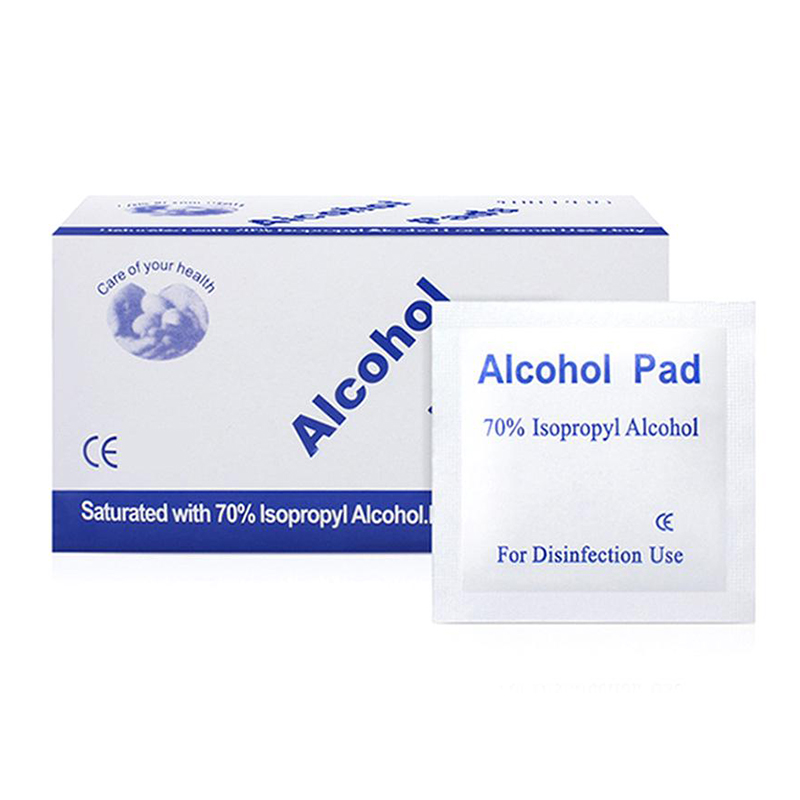
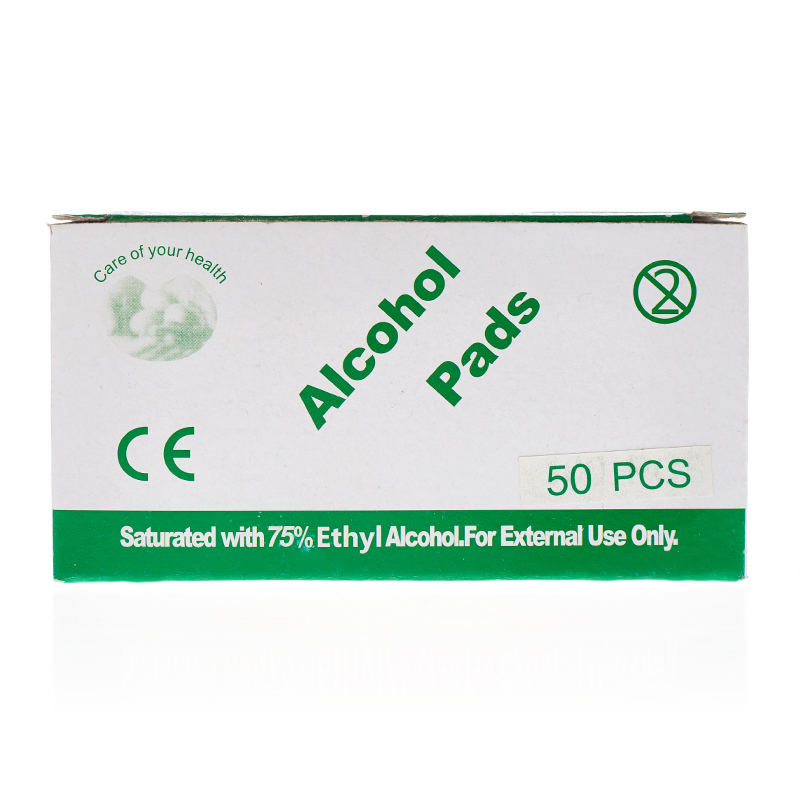
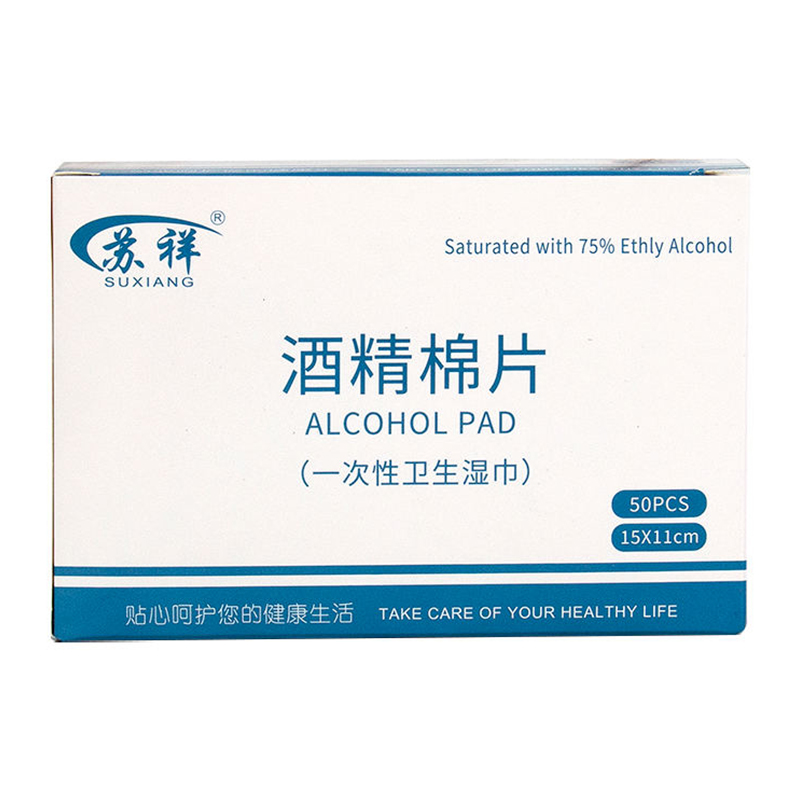
Alcohol wipes are effective against a broad range of bacteria and many viruses, but their performance against mold is more limited and depends on the type of mold, the surface it is growing on, and the concentration of alcohol in the wipe. Understanding where alcohol wipes work — and where they do not — helps both consumers and buyers sourcing cleaning products set accurate expectations and choose the right product for mold-related applications.
Yes, alcohol wipes at 70% isopropyl or 75% ethanol concentration can kill mold and mold spores on hard, non-porous surfaces, provided there is adequate contact time, and the mold colony is small enough that the wipe can physically reach the fungal cells. However, alcohol wipes have significant limitations for mold remediation: they do not kill mold embedded in porous materials, they do not remove the allergenic proteins left behind by dead mold cells, and they do not address the underlying moisture condition that caused the mold to grow.
For wholesale buyers, this matters in two ways: understanding what claims are supportable for alcohol wipe products in mold-related marketing, and knowing when to recommend alternative products for buyers in hospitality, property management, or healthcare who are sourcing cleaning products for mold-prone environments.
Mold is a fungus. Like bacteria, fungal cells have membranes and proteins that are disrupted by alcohol at sufficient concentrations. Isopropyl alcohol and ethanol at 70–75% concentration denature fungal cell proteins and disrupt cell membrane integrity, killing the mold cells they contact. Laboratory studies confirm that 70% IPA is fungicidal — it kills mold on contact on the surfaces it reaches.
Mold spores — the reproductive structures that allow mold to spread — are more resistant than vegetative mold cells because their outer wall is thicker and more chemically resistant. Alcohol at 70% concentration can inactivate many mold spores with adequate contact time, but is less reliably effective against all spore types compared to its effectiveness against vegetative fungal cells.
Alcohol wipes are most effective for mold removal on hard, non-porous surfaces such as glass, glazed tile, sealed countertops, metal, and hard plastics. On these surfaces, mold grows on the surface rather than penetrating into the material. The wipe can physically contact the full depth of the mold colony, and the alcohol kills the cells it reaches. After wiping, the surface is both cleaned of visible mold and treated with a fungicidal solution.
Practical examples where alcohol wipes are an appropriate mold treatment: bathroom tile grout lines (the tile surface, not the porous grout), refrigerator gaskets with early mold growth, hard plastic surfaces in humid environments, and glass surfaces with visible mold spots from condensation.
Mold can develop on equipment surfaces in high-humidity environments — medical device housings, laboratory equipment, camera equipment stored in humid conditions, and similar. Alcohol wipes are appropriate for cleaning and disinfecting mold from these hard, non-porous surfaces. The rapid evaporation of alcohol without leaving residue makes alcohol wipes preferable to bleach-based solutions for equipment surfaces where liquid residue could cause damage.
Mold that has grown into porous materials — grout, unsealed wood, drywall, fabric, ceiling tiles, silicone sealant — cannot be effectively treated with alcohol wipes. The mold hyphae (root-like structures) penetrate below the surface of porous materials, beyond the reach of a surface wipe. Alcohol wipes clean the visible surface mold but leaves the subsurface hyphae intact and viable. The mold re-grows from the surviving subsurface structures, typically within days.
For mold in grout lines, silicone sealant, drywall, or any porous material, surface wiping — with any product — is an insufficient treatment. The affected material typically needs to be replaced or treated with a penetrating fungicidal solution with sufficient dwell time to reach subsurface mold structures.
The US EPA and CDC both recommend that mold infestations covering more than approximately 10 square feet should be handled by professional remediation services rather than consumer cleaning products. Large mold colonies indicate a significant underlying moisture problem and typically involve deeper penetration into building materials than surface wiping can address. Attempting to clean large mold colonies with any wipe product — alcohol or otherwise — is inadequate and may spread spores during the wiping process.
Alcohol wipes kill mold cells on contact, but provide no residual antifungal protection once the alcohol has evaporated. Mold will regrow on any surface where the moisture conditions that supported the original growth are not corrected. Cleaning mold with an alcohol wipe without addressing the source of moisture — condensation, water ingress, inadequate ventilation — produces temporary results only.
| Product | Effectiveness on Surface Mold | Penetrates Porous Materials? | Residual Protection? | Safe on Most Surfaces? |
|---|---|---|---|---|
| Alcohol Wipes (70% IPA) | Good on hard surfaces | No | No | Yes — most surfaces |
| Bleach Solution (diluted) | Excellent on hard surfaces | Limited | Brief | No — may discolor/corrode |
| Hydrogen Peroxide (3%) | Good on hard surfaces | Some penetration | No | Better than bleach |
| Antifungal Spray with Penetrant | Excellent | Yes — designed for this | Yes — some formulations | Check the label per surface |
| Professional Remediation | Complete | Yes — replaces material | With moisture control | Managed by a professional |
For buyers sourcing alcohol wipes for retail or institutional distribution, the mold question has direct implications for product claims and customer education.
Claims that alcohol wipes "kill mold" are supportable when the product is being used on hard, non-porous surfaces with small surface mold growth. Claims that suggest alcohol wipes provide complete mold remediation or prevent mold regrowth are not supportable and should not appear on product labels or marketing materials.
For hospitality, healthcare, and property management buyers sourcing cleaning wipes for environments with potential mold exposure — bathrooms, kitchens, laundry rooms, HVAC-adjacent surfaces — pairing alcohol wipes for general surface maintenance with a correctly specified mold-specific treatment for known problem areas is the appropriate product strategy.
Yes. Hard plastic phone cases and protective cases are non-porous surfaces, and alcohol wipes at 70% IPA or 75% ethanol are appropriate for cleaning visible mold from these surfaces. Allow the alcohol to dry fully before reassembling the case on the device. For silicone cases, which are semi-porous, an alcohol wipe treats surface mold but may not fully address mold that has penetrated the silicone — replacement may be more effective for heavily mold-affected silicone cases.
Alcohol wipes can kill Stachybotrys chartarum (black mold) cells on hard surface contact, but black mold typically grows on and into porous materials like drywall, ceiling tiles, and wood — where alcohol wipes cannot reach the subsurface fungal hyphae. Black mold growth visible on a surface indicates significant underlying colonization in the building material. Surface wiping with any product, including alcohol, is not an appropriate treatment for black mold in building materials. Professional assessment and remediation are the appropriate responses to black mold in a building environment.
Alcohol-free disinfectant wipes using quaternary ammonium compounds (QACs) such as benzalkonium chloride as the active ingredient also have documented antifungal activity at appropriate concentrations. QAC-based wipes are an alternative to alcohol wipes for mold on hard surfaces, with the added benefit of leaving a residual antimicrobial film on the surface after drying — which may provide brief protection against rapid recolonization. Neither QAC wipes nor alcohol wipes, however, addresses mold in porous materials.
Studies on alcohol's antifungal efficacy indicate that concentrations of 70% isopropyl alcohol or 70–80% ethanol are effective against the most common mold species on contact. Concentrations below 50% are significantly less effective. Concentrations above 90% are less effective than 70% for the same reason pure alcohol is less effective than diluted alcohol for bacterial kill — very high concentrations cause immediate surface protein coagulation that limits penetration. The standard 70% IPA or 75% ethanol concentration used in commercial alcohol wipes is in the optimal range for antifungal efficacy.
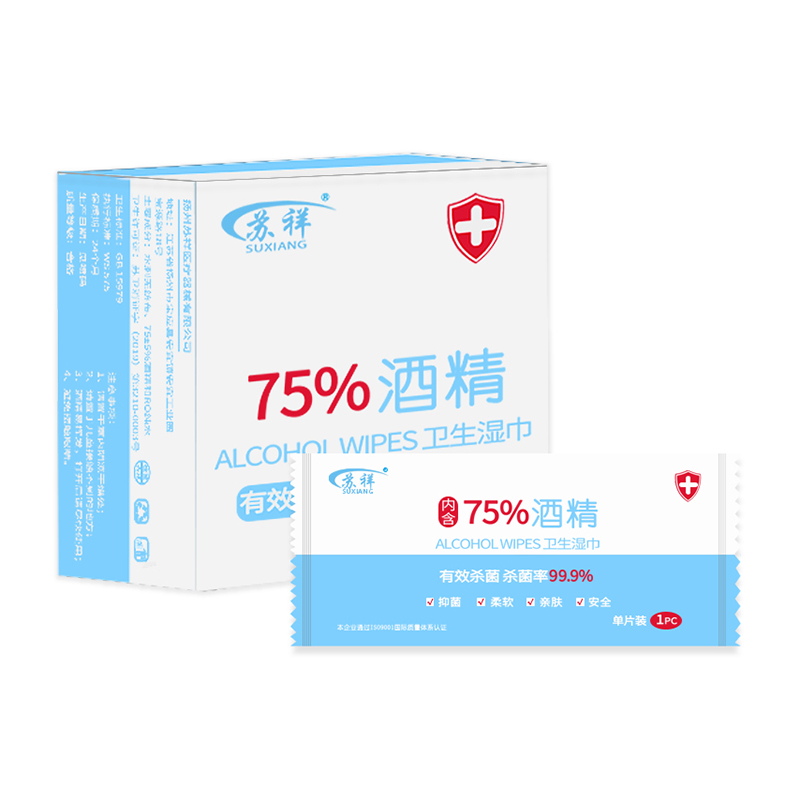
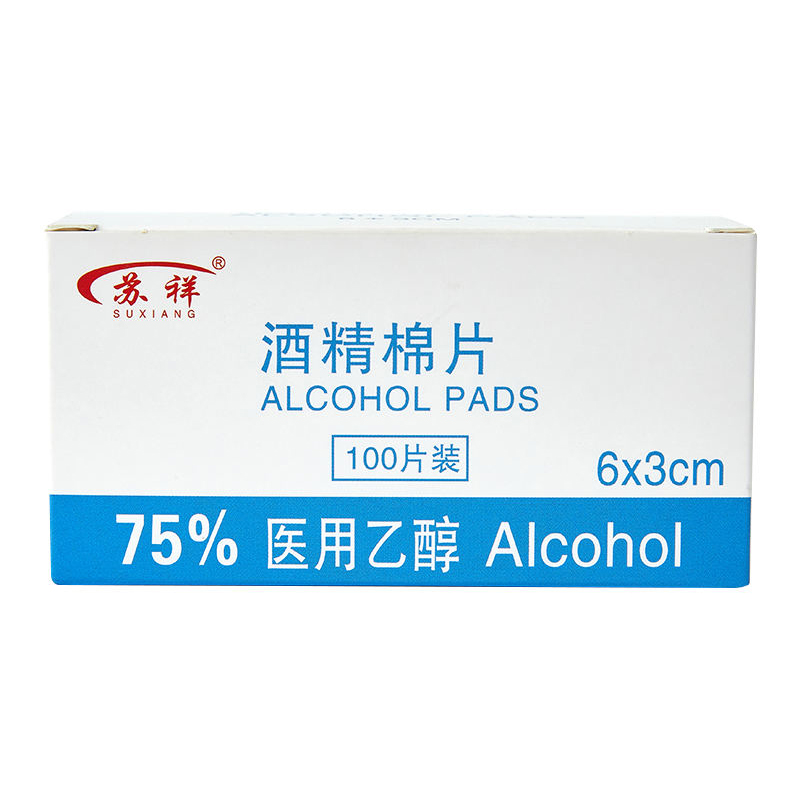
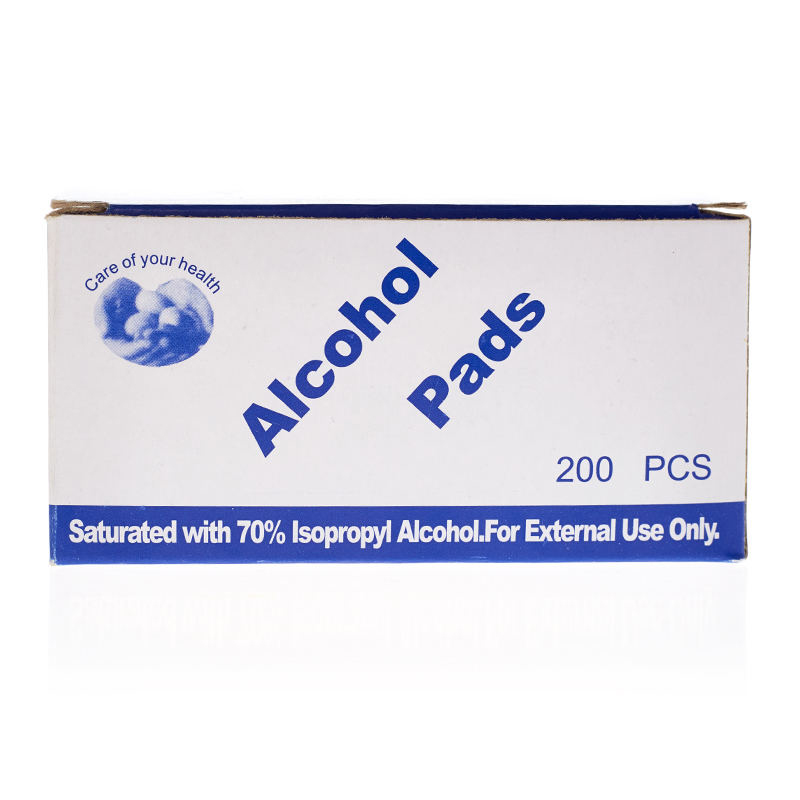
Yangzhou Suxiang Medical Instrument Co., Ltd. manufactures 70% isopropyl alcohol wipes and 75% ethanol alcohol wipes for medical, consumer, and industrial applications from its ISO 13485 and ISO 9001 certified facility in Yangzhou, Jiangsu, China. Products are available with CE, FDA, NDC, and SGS documentation for international market entry. OEM and private label manufacturing with custom packaging and full export documentation.
Contact us through yzsxyl.com to request specifications and wholesale pricing.
Related Products: Alcohol Wipes | Alcohol Prep Pads | BZK Antiseptic Wipes | Kitchen Cleaning Wipes
Copyright © Yangzhou Suxiang Medical Instrument Co., LTD. The information provided on this website is intended for use only in countries and jurisdictions outside of the People's Republic of China. Wholesale Disposable Cleaning Wipes Suppliers