 English
 中文简体
中文简体

News categories
Product categories
Do Disinfecting Wipes Actually Work If You Let Them Dry Instantly?
Disinfecting wipes are highly effective tools for eliminating harmful pathogens from hard, non-porous surfaces, but they are entirely ineffective on porous materials and useless if not used with the correct contact time. These pre-moistened towelettes offer a convenient solution for maintaining hygiene in high-touch areas, yet their proper application is frequently misunderstood. Simply wiping a surface does not guarantee disinfection. The physical act of wiping removes some dirt and germs through friction, but the chemical elimination of viruses and bacteria requires the surface to remain visibly wet for a specific duration, which varies depending on the active ingredients. Understanding this fundamental distinction between cleaning and disinfecting is the key to utilizing these products safely and effectively in any environment.
The Scientific Mechanism Behind the Effectiveness
To understand why disinfecting wipes work, it is necessary to examine the chemical formulations that power them. Unlike standard cleaning wipes that rely on surfactants and detergents to lift dirt, disinfecting wipes contain active antimicrobial agents registered by health authorities. These chemicals attack the structural integrity of microbial cells or disrupt their vital metabolic processes, leading to cell death.
Quaternary Ammonium Compounds
Often referred to as quats, these are the most common active ingredients in disinfecting wipes. Quats work by penetrating the lipid membrane of bacterial cells and the protein coats of certain viruses. Once inside, they cause the cellular machinery to break down, resulting in rapid cell death. Quats are favored because they leave a residual antimicrobial layer on the surface, providing ongoing protection after the wipe has dried. However, this residue can also attract dirt over time if not rinsed, especially on food preparation surfaces.
Sodium Hypochlorite Solutions
Some heavy-duty disinfecting wipes utilize a diluted bleach solution. Bleach is a powerful oxidizing agent that destroys the proteins and nucleic acids of microbes, rendering them completely inactive. Wipes containing bleach are exceptionally effective against a broad spectrum of pathogens, including hard-to-kill spores. The downside is their corrosive nature and strong odor, which limits their use to specific industrial or high-risk clinical settings rather than everyday household environments.
Alcohol-Based Formulations
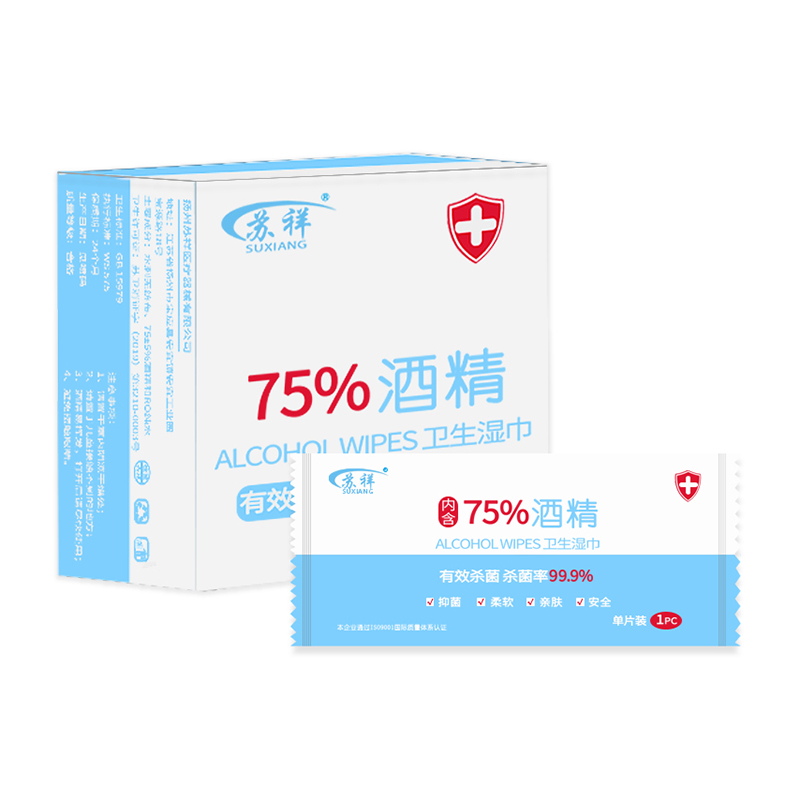
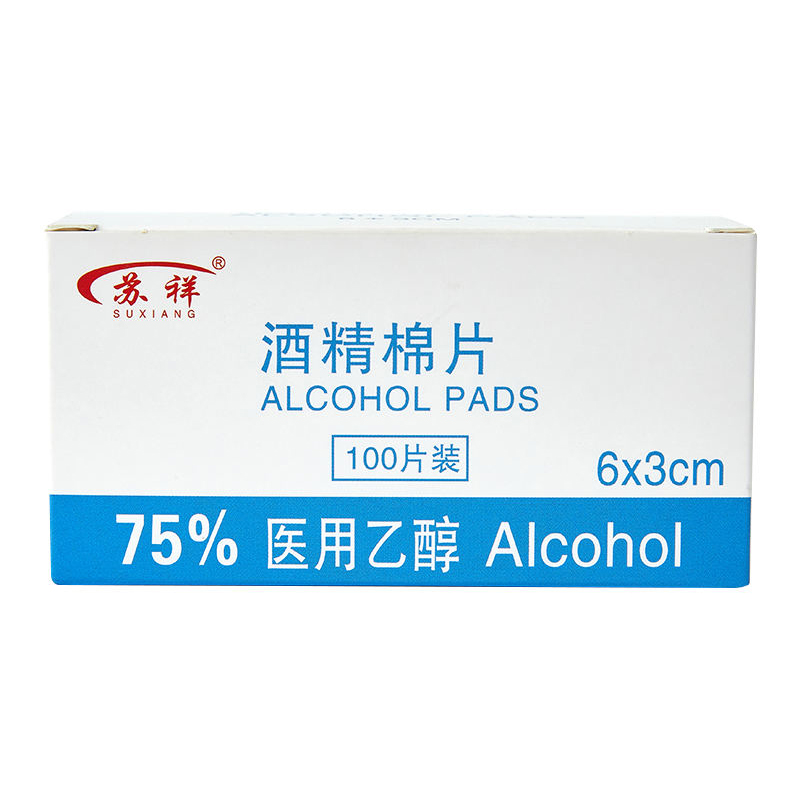
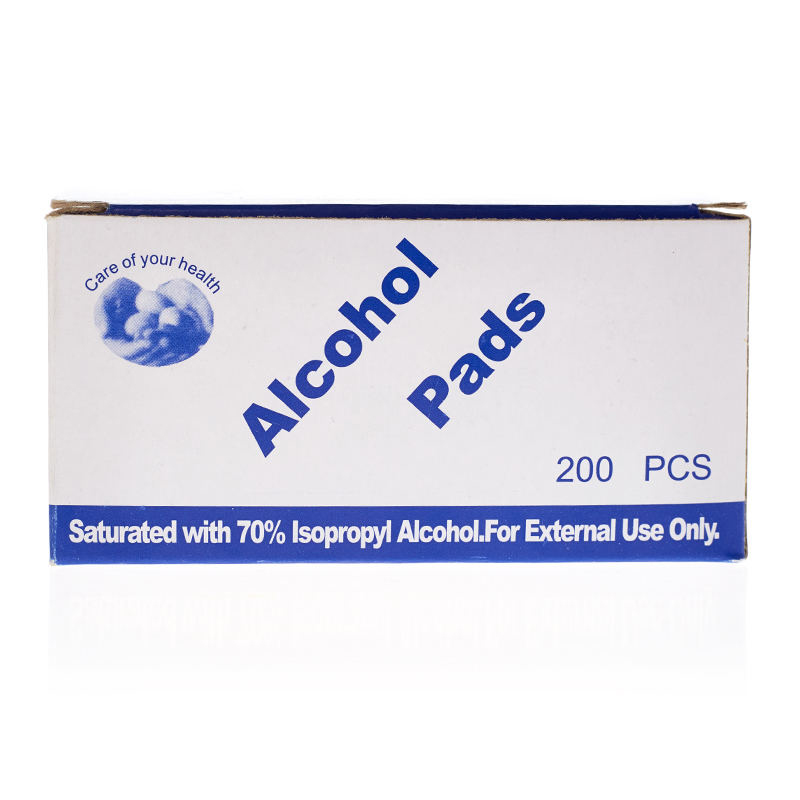
Formulations containing isopropyl alcohol or ethanol act by denaturing the essential proteins of microbes and dissolving their lipid membranes. Alcohol-based wipes are extremely fast-acting but evaporate very quickly. Because they lack the residual killing power of quats, they must be used in a manner that ensures the surface stays wet long enough to achieve the required contact time, which is usually quite short but demands immediate and thorough application.
The Crucial Element of Contact Time
The most critical and frequently ignored aspect of using disinfecting wipes is the concept of contact time, also known as dwell time. This is the specific amount of time a surface must remain visibly wet with the disinfectant solution to achieve the advertised kill rate for specific pathogens. Wiping a surface dry immediately after application neutralizes the chemical process, resulting in a surface that is merely wiped, not disinfected.
Contact times can range from thirty seconds to ten minutes, depending heavily on the target organism and the chemical concentration. For example, eliminating a standard cold virus might require only a brief period, while destroying norovirus or staphylococcus bacteria on a surface could demand that the area remain wet for several minutes. If a single wipe does not provide enough liquid to keep the area wet for the required duration, multiple wipes must be used in succession to re-wet the surface.
Environmental factors play a significant role here. In low-humidity environments or rooms with strong air circulation, the liquid from the wipes evaporates much faster. Users must account for these conditions and adjust their application method accordingly, ensuring the chemical has the necessary time to complete its antimicrobial action before the surface is allowed to dry or be touched.
Proper Application Techniques for Maximum Efficacy
Using a disinfecting wipe seems intuitive, but poor technique can drastically reduce its effectiveness and even contribute to the spread of germs. A methodical approach ensures that the chemical formulation does its job without cross-contaminating different areas.
The Unidirectional Wiping Strategy
The most effective way to use a wipe is to employ a unidirectional wiping motion. Rather than scrubbing back and forth in a circular pattern, which simply redistributes the germs picked up by the wipe back onto the surface, the user should wipe in a single direction. Starting from the cleanest area and moving toward the dirtiest area prevents pushing pathogens into previously cleaned zones. Once the wipe has passed over a section of the surface, it should not be dragged back over that same spot.
Pre-Cleaning Heavily Soiled Surfaces
Disinfectants are formulated to act on microbes, not on heavy organic matter. If a surface is covered in visible dirt, food residue, or bodily fluids, the disinfecting chemicals will bind to this organic material instead of the bacteria and viruses. For heavily soiled areas, a standard cleaning step must precede the disinfection step to remove physical debris, allowing the wipe to make direct contact with the pathogens.
Preventing Cross-Contamination
A single disinfecting wipe has a finite capacity for holding germs. Once it has been used to clean a significant area, or if it has picked up visible soil, it becomes a vehicle for spreading pathogens. It should be discarded immediately. Using one wipe to clean a toilet seat and then using that same wipe to clean a bathroom faucet will transfer dangerous bacteria directly to a high-touch surface. The rule is to use a fresh wipe for every distinct surface or whenever the wipe becomes heavily soiled.
Surface Compatibility and Material Limitations
Disinfecting wipes are explicitly designed for hard, non-porous surfaces. Applying them to incompatible materials can result in permanent damage to the property while simultaneously failing to disinfect the area properly.
Unsuitable Porous Materials
Porous materials like unfinished wood, unsealed stone, fabric, upholstery, and carpet cannot be disinfected with these wipes. The liquid is absorbed into the material, preventing the surface from maintaining the required wet contact time. Furthermore, the harsh chemicals can strip finishes, discolor fabrics, and degrade the structural integrity of the material. To manage pathogens on porous surfaces, alternative methods such as steam cleaning or dedicated fabric sanitizers must be employed.
Sensitive Electronics and Screens
While it is necessary to keep electronic devices clean, standard disinfecting wipes can damage the oleophobic coatings on smartphone screens and the anti-glare finishes on computer monitors. The moisture can also seep into the crevices of keyboards and internal components, causing short circuits or corrosion. For electronics, the surface should first be powered down, and if wipes must be used, they should be lightly dampened rather than dripping wet, carefully avoiding any openings.
| Surface Type | Compatibility | Expected Outcome |
|---|---|---|
| Sealed Countertops | Highly Compatible | Effective disinfection |
| Glass and Mirrors | Compatible | Disinfection with streaks |
| Unfinished Wood | Not Compatible | Fiber damage and discoloration |
| Upholstery and Fabric | Not Compatible | Chemical damage, no disinfection |
| Touchscreens | Cautiously Compatible | Coating degradation if used wet |
Safety Precautions and Health Considerations
While disinfecting wipes are packaged for convenience, they are still chemical products that require careful handling. Misuse can lead to skin irritation, respiratory issues, or even chemical poisoning. Adhering to safety guidelines protects the user without compromising the disinfection process.
Dermal and Respiratory Protection
The active ingredients in these wipes are designed to break down living tissue at a microbial level, and they can similarly irritate human skin. Prolonged contact can cause dryness, redness, or contact dermatitis, particularly for individuals with sensitive skin or pre-existing conditions like eczema. It is highly recommended to wear disposable gloves when using wipes extensively, especially in commercial or clinical settings. Furthermore, the volatile organic compounds released as the wipe dries can trigger respiratory irritation in poorly ventilated spaces. Opening windows or running exhaust fans is essential when disinfecting large areas.
Storage and Disposal Protocols
Disinfecting wipes must be stored in their original, resealable packaging to prevent the solvents from evaporating. If a canister is left open, the wipes will dry out, rendering them completely useless because the concentration of the active ingredient will be altered. Used wipes should be disposed of in standard trash receptacles. Under no circumstances should disinfecting wipes be flushed down toilets, as the non-woven fabric does not break down and is a leading cause of severe plumbing clogs and environmental pollution.
Food Contact Surface Protocols
When disinfecting areas where food is prepared or consumed, the chemical residue left behind by quats or bleach can be toxic if ingested. After the required contact time has elapsed and the surface has achieved disinfection, the area must be rinsed thoroughly with clean potable water. This final step washes away the active chemicals, leaving the surface both microbiologically safe and chemically safe for food handling.
Strategic Deployment in High-Risk Environments
Not all surfaces require the same level of aggressive disinfection. Applying disinfecting wipes indiscriminately to every surface in a building is wasteful and unnecessarily introduces chemicals into the environment. A targeted approach focuses resources on the areas where pathogen transmission is most likely to occur.
High-Touch Hotspots
Pathogens spread primarily through the hands. Therefore, surfaces that are frequently touched by multiple people throughout the day represent the highest risk. Focus disinfection efforts on doorknobs, light switches, shared telephones, elevator buttons, handrails, and faucet handles. In an office environment, this extends to shared keyboards, mice, and break room appliance handles. Implementing a regular schedule to wipe down these specific hotspots several times a day significantly reduces the baseline microbial load in a shared space.
Moisture-Prone Zones
Bacteria and molds thrive in environments where moisture is constantly present. Bathroom surfaces, including toilet flush handles, sink counters, and shower faucets, require frequent disinfection to prevent the buildup of biofilms. Kitchen sinks and cutting boards, which are exposed to both moisture and organic matter, are also critical zones where disinfecting wipes can play a vital role in preventing cross-contamination during meal preparation.
Personal Versus Shared Spaces
In a personal home environment where residents are not ill, routine cleaning with standard agents is often sufficient for low-touch surfaces like floors, windows, and walls. Disinfecting wipes should be reserved for the high-touch areas mentioned above, or deployed heavily when a member of the household is actively sick. The necessity for disinfection scales directly with the number of unrelated individuals sharing a space and the frequency of external visitors entering the environment.
Environmental Impact and Sustainable Alternatives
The widespread adoption of single-use disinfecting wipes has raised significant environmental concerns. Understanding these impacts allows consumers and facility managers to make more informed choices and adopt practices that balance hygiene with ecological responsibility.
The Problem of Single-Use Plastics
The majority of disinfecting wipes are constructed from synthetic fibers, primarily polyester and polypropylene, bound together as a non-woven fabric. These materials are derived from petroleum and do not biodegrade. When disposed of in landfills, they persist for decades. When improperly flushed, they contribute to massive fatbergs in municipal sewer systems and eventually break down into microplastics that contaminate aquatic ecosystems. The packaging, often a combination of plastic film and a rigid plastic lid, presents additional recycling challenges.
Transitioning to Reusable Systems
For routine household cleaning, a more sustainable approach involves using reusable microfiber cloths in conjunction with a liquid disinfectant spray. Microfiber is exceptionally effective at physically trapping microbes through mechanical action. When the cloth is subsequently laundered in hot water with detergent, the vast majority of trapped pathogens are destroyed. This method drastically reduces plastic waste while maintaining a high standard of hygiene, though it requires more effort and strict laundering protocols to prevent the cloths from becoming vectors for cross-contamination.
Evaluating Compostable Options
The market has seen the introduction of wipes made from natural fibers like wood pulp or bamboo, which are marketed as compostable. While these materials represent an improvement over synthetic fibers, the presence of the chemical disinfectant complicates the disposal process. Wipes containing strong synthetic antimicrobial chemicals should never be placed in home compost bins, as these active ingredients can kill the beneficial microorganisms required for the composting process. Commercial composting facilities operating at high temperatures may be able to break down both the fiber and the chemicals, but access to such facilities remains limited for most consumers.
Dispelling Common Misconceptions
The convenience of disinfecting wipes has led to the proliferation of myths regarding their capabilities. Clarifying these misconceptions is necessary to prevent a false sense of security and ensure that hygiene practices are actually effective.
- A wipe can disinfect any surface: As established, porous surfaces absorb the liquid, rendering the disinfection process无效. They are strictly for hard, non-porous materials.
- Disinfecting wipes are safe for skin: The chemicals are harsh and designed to destroy cells. They should never be used as personal hygiene wipes or applied directly to the skin to clean hands.
- One wipe is enough for an entire room: A single wipe can only effectively disinfect a limited square footage before it becomes saturated with germs. Continuing to use it spreads contamination rather than eliminating it.
- Wipes remove dust and dirt effectively: While they have some surfactant action, they are primarily chemical weapons against microbes. Using an expensive disinfecting wipe to clear away simple dust is highly inefficient and wasteful.
- The stronger the smell, the better it works: Odor is not an indicator of efficacy. A heavily fragranced wipe might simply contain masking perfumes, while an odorless wipe could contain a highly potent, fast-acting antimicrobial agent.
Best Practices Summary for Daily Use
Integrating disinfecting wipes into a comprehensive hygiene strategy requires discipline and attention to detail. By consolidating the scientific principles and practical techniques discussed, a clear set of best practices emerges for everyday application.
- Always read the product label to identify the specific contact time required for the pathogens you are targeting.
- Ensure the surface is visibly wet for the entire duration of the contact time, using multiple wipes if necessary.
- Wipe in a unidirectional pattern to avoid redistributing germs across the surface.
- Discard the wipe immediately after cleaning a distinct surface or when it has collected visible debris.
- Clean visibly soiled surfaces with a standard cleaner before attempting to disinfect them.
- Rinse food preparation surfaces with potable water after the disinfectant has sat for the required time.
- Wear gloves during extensive use to protect your skin from chemical irritation.
- Ensure adequate ventilation in the room to disperse volatile chemical fumes.
- Seal the packaging tightly after each use to prevent the wipes from drying out and losing potency.
- Never flush the wipes, and always dispose of them in a closed trash container.
Future Trends in Surface Disinfection Technology
The field of surface hygiene is continuously evolving, driven by a demand for products that are both highly effective and environmentally sustainable. The traditional single-use chemical wipe is facing scrutiny, prompting innovation in several different directions.
Antimicrobial Surface Coatings
Instead of actively disinfecting a surface after it has been contaminated, future strategies focus on preventing contamination in the first place. Antimicrobial coatings can be applied to high-touch surfaces like door handles and railings. These coatings utilize various technologies, such as copper alloys or photocatalytic titanium dioxide, which continuously destroy microbes on contact. While this does not eliminate the need for periodic cleaning, it drastically reduces the microbial load between cleanings and lessens the reliance on disposable wipes.
Advanced Electrostatic Spraying
Electrostatic sprayers are becoming increasingly common in commercial and institutional settings. These devices apply a liquid disinfectant that is given an electrical charge, causing it to wrap around and evenly coat complex surfaces, including the undersides of chairs and the crevices of keyboards. This technology maximizes the coverage of the disinfectant, reduces chemical waste, and eliminates the need for physical wiping, thereby removing the issue of cross-contamination via reusable cloths or disposable wipes entirely.
Formulation Innovations
Chemical engineers are actively developing new active ingredients that are less toxic to humans and the environment while maintaining high efficacy against pathogens. This includes research into plant-derived antimicrobial essential oils, hypochlorous acid (a mild acid produced naturally by the human immune system), and improved enzymatic cleaners. As these formulations become commercially viable and cost-effective, they will likely replace the harsher quaternary ammonium compounds currently dominating the market, offering a safer, more sustainable approach to on-demand surface disinfection.
related products

ADD:West side of Baoyuan Road, Industrial Concentration Zone, Anyi Town, Baoying County, Yangzhou City, Jiangsu Province, China 225800
Phone: 0086-18115449718
E-mail:2850391871@qq.com
Copyright © Yangzhou Suxiang Medical Instrument Co., LTD. The information provided on this website is intended for use only in countries and jurisdictions outside of the People's Republic of China. Wholesale Disposable Cleaning Wipes Suppliers
