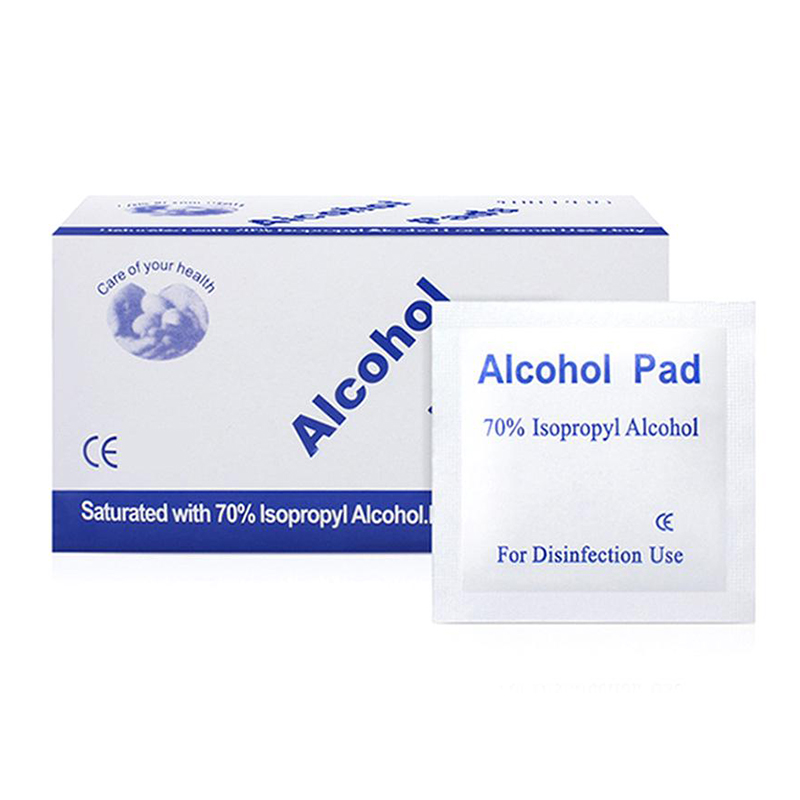
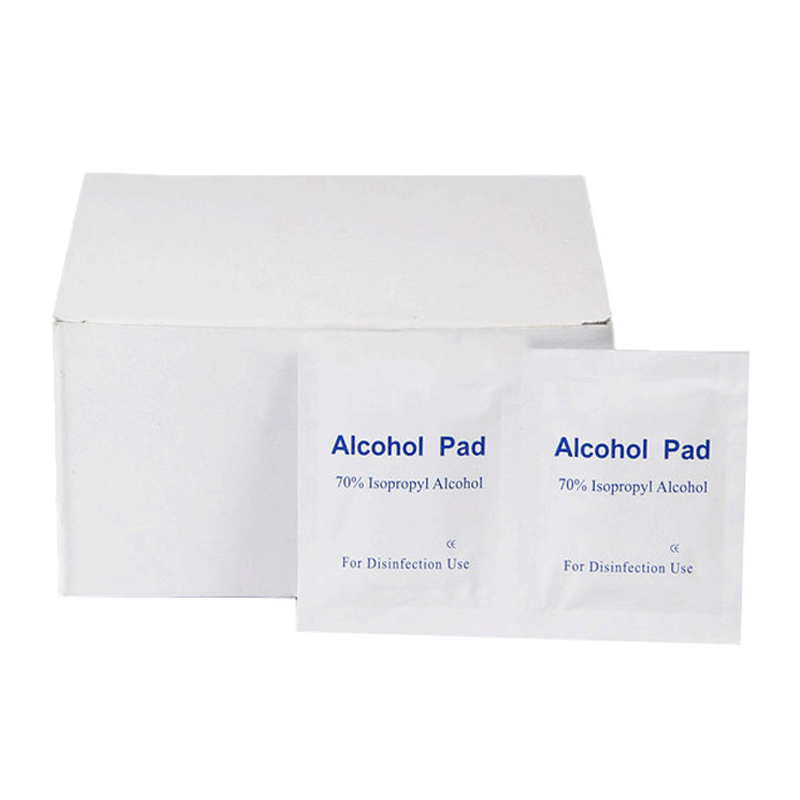
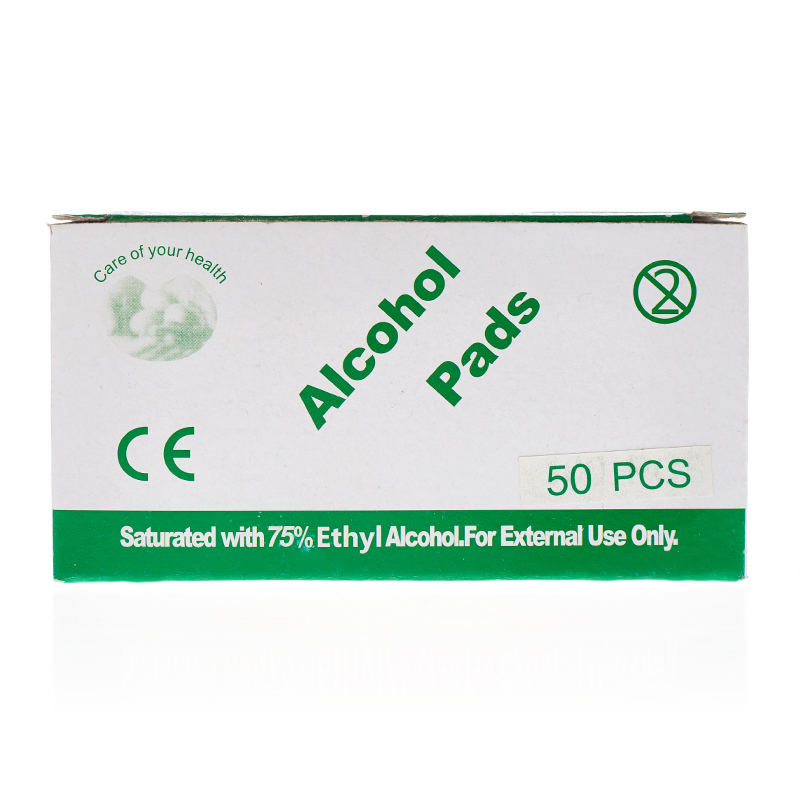
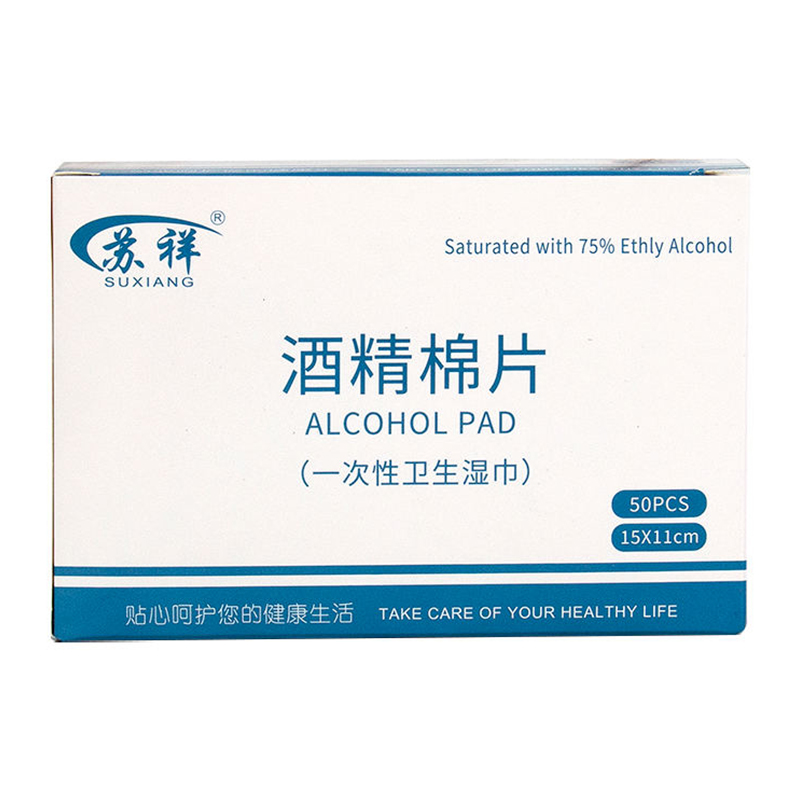
China supplies the majority of the world's disposable wipes — from sterile alcohol prep pads for hospital groups to private-label baby wipes for pharmacy chains. The manufacturing base is large, the price advantage is real, and the quality range is wide. Finding a supplier that delivers consistent quality, correct documentation, and on-time production takes more than a search on Alibaba and a price comparison.
This guide walks through the practical steps for identifying, evaluating, and qualifying a disposable wipes manufacturer in China — covering what certifications to require, how to assess production capability, what to check during sampling, and what the first order process should look like.
The most common mistake buyers make at the start of a China sourcing project is approaching manufacturers before they have a clear product specification. Without a defined brief, conversations with manufacturers produce a range of incomparable quotations, and the buyer has no basis for evaluating which offer actually meets their needs.
Before contacting any manufacturer, define the following:
A one-page product brief covering these points will produce more useful supplier responses and allow genuine comparison between manufacturers.
For disposable wipes manufacturers in China, the main sourcing channels each have different strengths and weaknesses:
These platforms aggregate large numbers of suppliers and allow initial filtering by product category, certification, and minimum order quantity. The limitation is that many listings on these platforms are from trading companies rather than actual manufacturers — intermediaries who source from factories and add a margin. Trading companies are not inherently bad partners, but they add cost and reduce direct quality control access. Look for suppliers with "Verified Manufacturer" status, factory photos showing actual production equipment, and certification documents that are specific to the manufacturer's own facility rather than generic templates.
The Canton Fair (held twice yearly in Guangzhou) and the China International Medical Equipment Fair (CMEF) are the primary venues where Chinese wipe manufacturers present to international buyers. Meeting manufacturers in person allows direct assessment of company scale, product range, and the ability to engage technical and commercial teams simultaneously. Trade shows are particularly useful for buyers sourcing a new product category or looking to switch suppliers, as they compress multiple factory evaluations into a short time window.
The China Nonwoven and Industrial Textiles Association (CNITA) maintains directories of member manufacturers in the nonwoven and wipes sector. Membership in industry associations is a moderate positive signal — it indicates a manufacturer with enough establishment to participate in industry-level organizations, though it does not substitute for direct qualification.
The most reliable sourcing channel remains referral from another buyer in a non-competing category who has direct experience with a specific manufacturer's quality and service. If your network includes other importers, procurement managers, or brand owners who source disposable products from China, a direct referral eliminates much of the initial qualification uncertainty.
Certification verification is one of the most important and most frequently mishandled steps in qualifying a Chinese wipes manufacturer. Certificates can be forged, expired, or real, but irrelevant to the product you are buying. The following are the certifications that matter for disposable wipes and how to verify each one.
ISO 13485 is the international standard for quality management systems specifically applied to medical device manufacturers. For antiseptic wipes, alcohol prep pads, and other wipes classified as medical devices in regulated markets, ISO 13485 certification of the manufacturing facility is a fundamental requirement. The certificate should name the specific facility (address), and the scope of certification should include the relevant product types.
Verify ISO 13485 certificates through the issuing certification body's online registry — major bodies including SGS, Bureau Veritas, TÜV, and Intertek all maintain searchable public registries of current certificate holders. A certificate that does not appear in the issuing body's registry is not current.
CE marking on a wipe product indicates that the product has been assessed as conforming to the relevant EU regulation — either EU MDR 2017/745 (medical devices) or EU Cosmetics Regulation 1223/2009, depending on the product type and claims. Request the product-specific Declaration of Conformity (DoC), not just a factory CE certificate. The DoC should name the specific product, reference the applicable EU regulation and harmonized standards, and be signed by the manufacturer's authorized representative.
For products exported to the US market, the manufacturer's facility must be registered with the US FDA. For OTC drug-classified products (including most antiseptic wipes making germicidal claims), each product requires an NDC (National Drug Code) number. Verify FDA facility registration through the FDA's online establishment registration database using the manufacturer's registration number. NDC numbers can be verified through the FDA's NDC directory.
BSCI audit certification is a social compliance standard addressing labor conditions, working hours, and factory environment. Many European retailers require BSCI certification from their suppliers as a condition of listing. BSCI status can be verified through the amfori BSCI platform using the manufacturer's audit report ID.
Certifications confirm quality management systems — they do not tell you whether a factory can actually produce the volume you need, on the timeline you need, to the specification you require. Production capability assessment requires either a factory visit or a structured questionnaire covering:
Samples from a new manufacturer should be evaluated systematically against your product specification, not just assessed informally. The following checks apply to most wipe categories:
The first order with a new manufacturer is the highest-risk transaction in the relationship. Standard commercial protections for first orders with Chinese manufacturers include:
Request the manufacturer's business license and confirm that the registered business scope includes manufacturing rather than only trading. A factory will have an ISO 13485 or ISO 9001 certificate issued to the facility address — a trading company's quality certificate covers their commercial operations, not a manufacturing facility. During video calls or factory visits, look for visible production equipment, packaging lines, and quality control laboratories. A trading company presenting as a manufacturer will typically be unable to provide specific production process details, machine specifications, or production capacity figures with any precision.
Many buyers successfully source wipes from Chinese manufacturers without an in-person factory visit by combining video factory audits, third-party inspection services, and systematic sample evaluation. Video audits — conducted via video call with a real-time walkthrough of production areas — have become a standard alternative to physical visits for buyers unable to travel. For significant orders or long-term supply relationships, an in-person audit is still the most reliable assessment method. Third-party inspection at shipment provides a practical quality gate regardless of whether a factory audit has been conducted.
A realistic lead time for a first order of custom-printed wipes from a Chinese manufacturer is 5 to 8 weeks ex-factory from order confirmation. This includes approximately 1 to 2 weeks for packaging artwork approval and printing plate production, 2 to 3 weeks for production, and 1 week for pre-shipment inspection and documentation. Add ocean freight transit time — 18 to 35 days to US or European ports, depending on routing, for total delivery lead time. Buyers who need faster turnaround should discuss air freight options for the first order, while ocean freight becomes the standard for subsequent reorders.
A properly documented shipment from a qualified Chinese wipes manufacturer should include: Certificate of Analysis (COA) for the specific production lot, commercial invoice and packing list, bill of lading or airway bill, CE Declaration of Conformity or FDA documentation as applicable to the destination market, MSDS/SDS for the product, SGS or other third-party inspection report if commissioned, and where applicable, sterilization certificate for sterile products. Buyers should specify the required documentation package in the purchase order before production begins — not at the point of shipment, when corrections are difficult to make.
Yangzhou Suxiang Medical Instrument Co., Ltd. is a direct manufacturer of disposable wipes — not a trading company — operating from a 4,000 square meter production facility in Yangzhou, Jiangsu Province, China, with over 100 packaging machine sets and a daily output capacity of 10 million pieces.
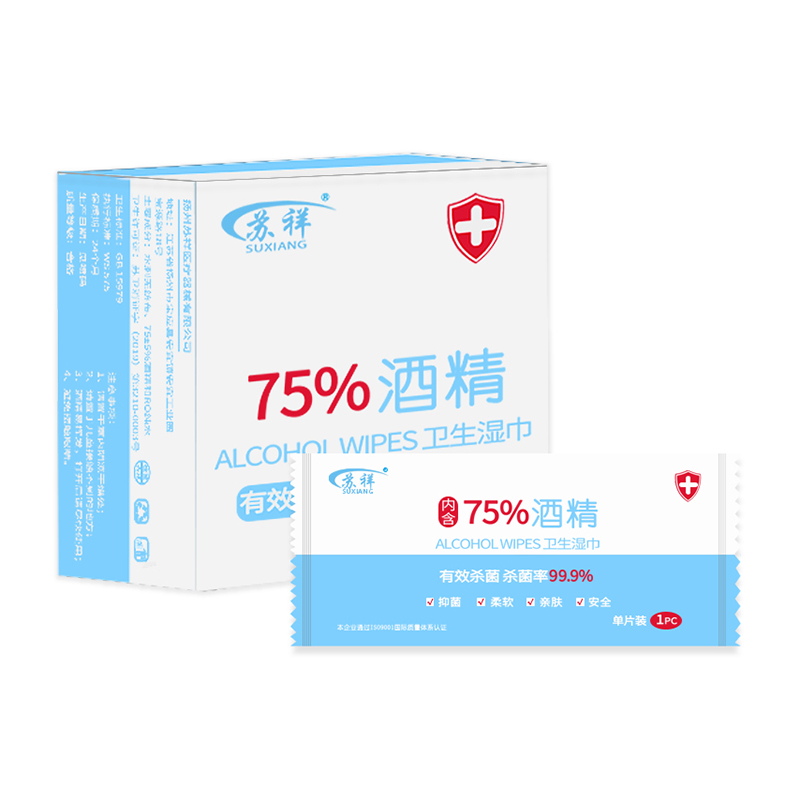
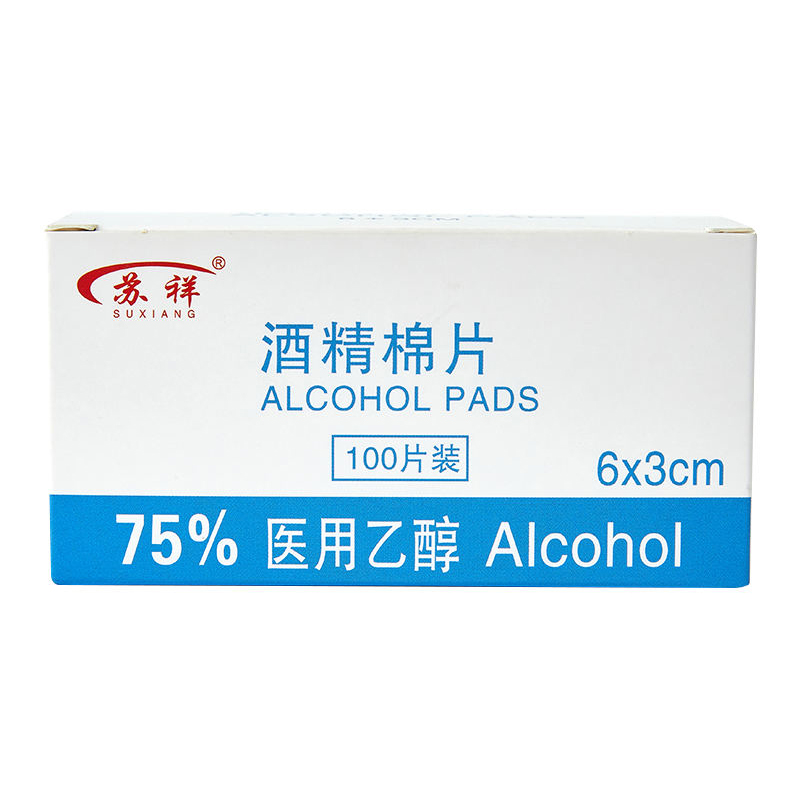
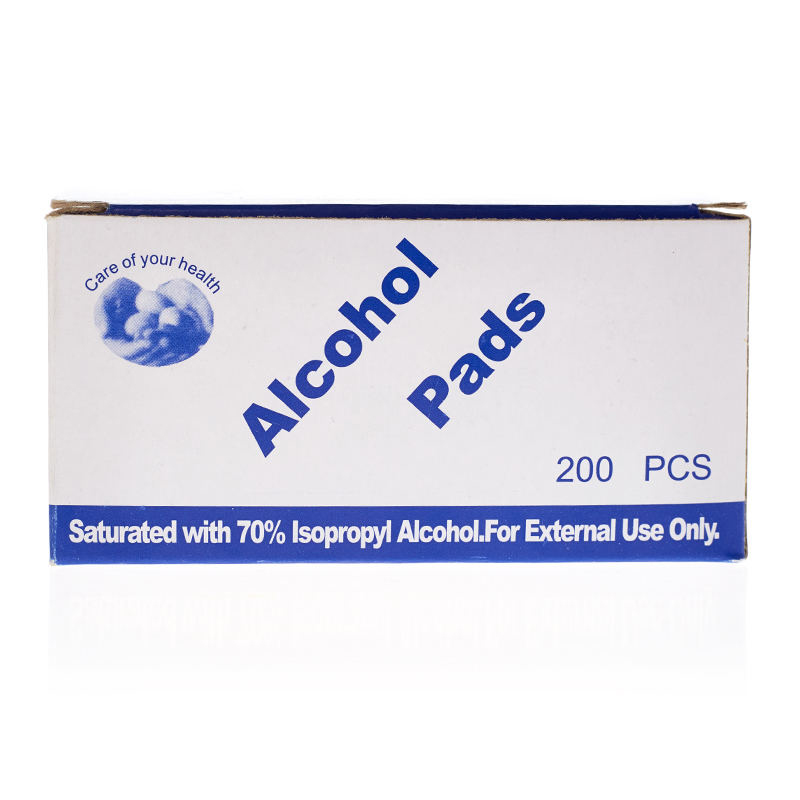
ISO 13485 and ISO 9001 certified. CE, FDA, NDC, BSCI, SGS, and MSDS documentation available for all major export markets. Full product range including alcohol prep pads, alcohol wipes, BZK antiseptic wipes, chlorhexidine wipes, baby wipes, feminine wipes, lens cleaning wipes, nail polish remover pads, clothing stain remover wipes, kitchen cleaning wipes, and first aid kit accessories. OEM and private label services from formulation through finished product and regulatory documentation.
Contact us through yzsxyl.com to request a product catalogue, certification documentation, and quotation for your requirements.
Related Products: Alcohol Prep Pads | Baby Wipes | BZK Antiseptic Wipes | Multifunctional Wipes | First Aid Kit Accessories
Copyright © Yangzhou Suxiang Medical Instrument Co., LTD. The information provided on this website is intended for use only in countries and jurisdictions outside of the People's Republic of China. Wholesale Disposable Cleaning Wipes Suppliers