Disinfectant wipes are widely used in kitchens, food preparation areas, and food service environments for their convenience and speed. But not all disinfectant wipes are formulated or approved for use on surfaces that directly contact food — and using the wrong product on a cutting board, countertop, or food prep table can leave chemical residues that transfer to food and create a safety hazard.
This article explains how to determine whether a disinfectant wipe is safe for food contact surfaces, what the label claims mean, which active ingredients are acceptable in food-contact applications, and how buyers sourcing wipes for food service or food manufacturing environments should specify the right product.
Regulatory authorities in most markets divide surface disinfection applications into two categories: food contact surfaces (also called food contact materials or FCMs) and non-food contact surfaces. The distinction is straightforward — a food contact surface is any surface that food, ingredients, or beverages touch directly during preparation, processing, or service.
Examples of food contact surfaces include cutting boards, food prep countertops, restaurant tables where food is placed directly, kitchen equipment blades and rollers, and food packaging equipment. Non-food contact surfaces are everything else in the same environment — walls, floors, exterior surfaces of equipment, handles, light switches, and similar.
Disinfectant wipes approved for food contact surfaces must meet a higher safety standard than general surface disinfecting wipes. After wiping a food contact surface, a residue of the disinfectant solution remains on the surface until it dries. Any food that subsequently contacts that surface may pick up trace quantities of that residue. The disinfectant formulation must therefore be certified as safe for incidental food contact — or the surface must be rinsed with potable water after disinfection and before food contact resumes.
The most common active ingredients in disinfectant wipes — quaternary ammonium compounds (QACs), alcohol, and sodium hypochlorite — have different food contact safety profiles.
QACs are the most widely used active ingredients in food service disinfecting wipes. At concentrations used in food service sanitizers — typically 200 to 400 ppm benzalkonium chloride or equivalent — QACs are approved for food contact surface sanitization under US FDA 21 CFR 178.1010 (sanitizing solutions) and equivalent EU food contact material regulations, subject to the requirement that treated surfaces are allowed to drain and dry without rinsing in most applications.
The important caveat: QAC concentration matters. The same compound (for example, benzalkonium chloride) that is approved for food contact surface use at 200–400 ppm is present in general-purpose disinfecting wipes at concentrations that may exceed food contact limits. A wipe labeled as a disinfecting wipe but not specifically cleared for food contact surface use should not be assumed to contain QAC at food-contact-safe concentrations — check the product label and regulatory documentation.
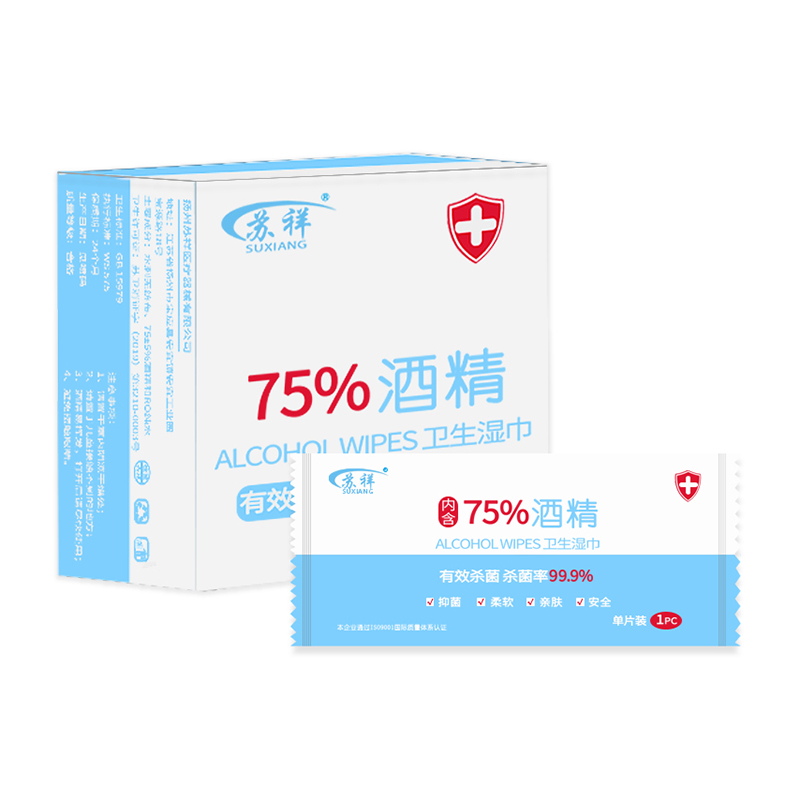
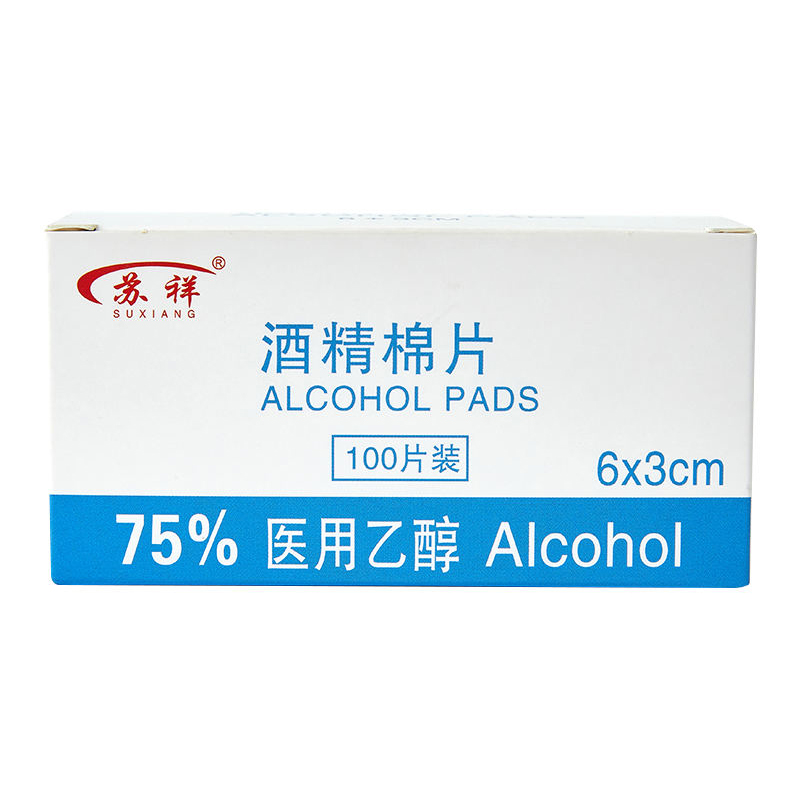
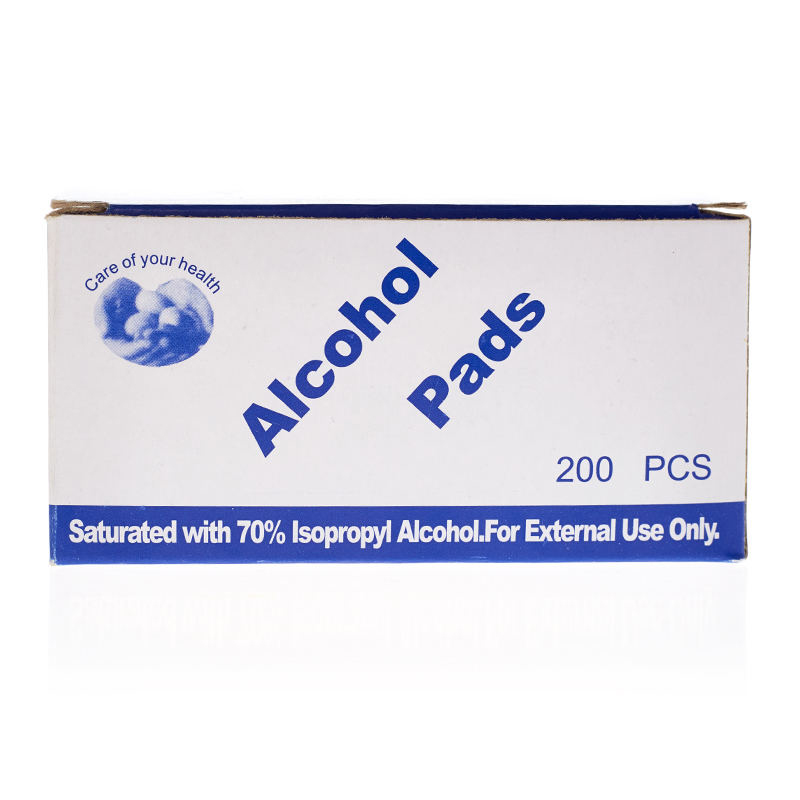
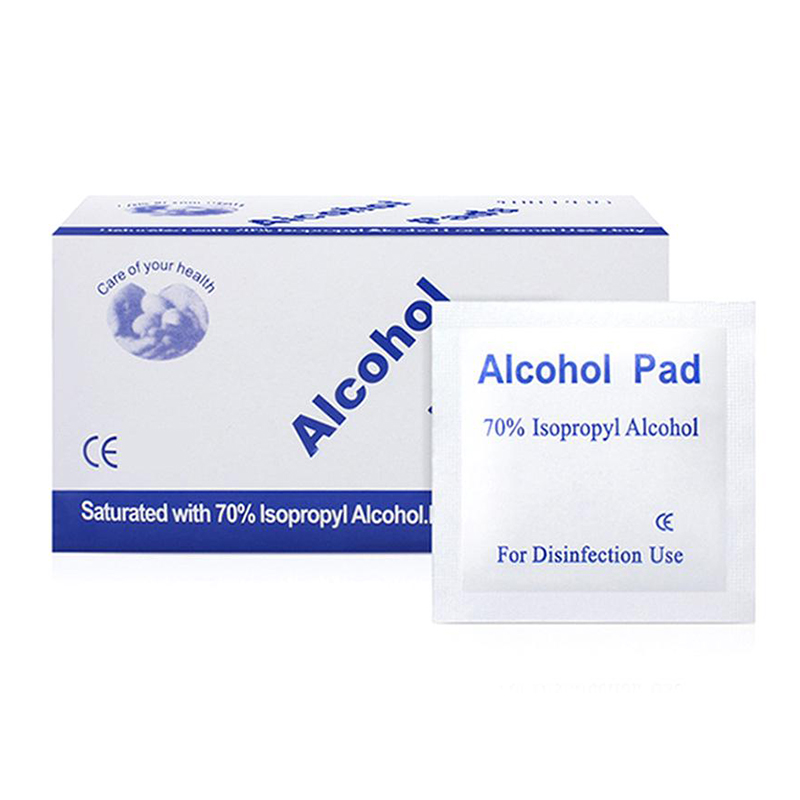
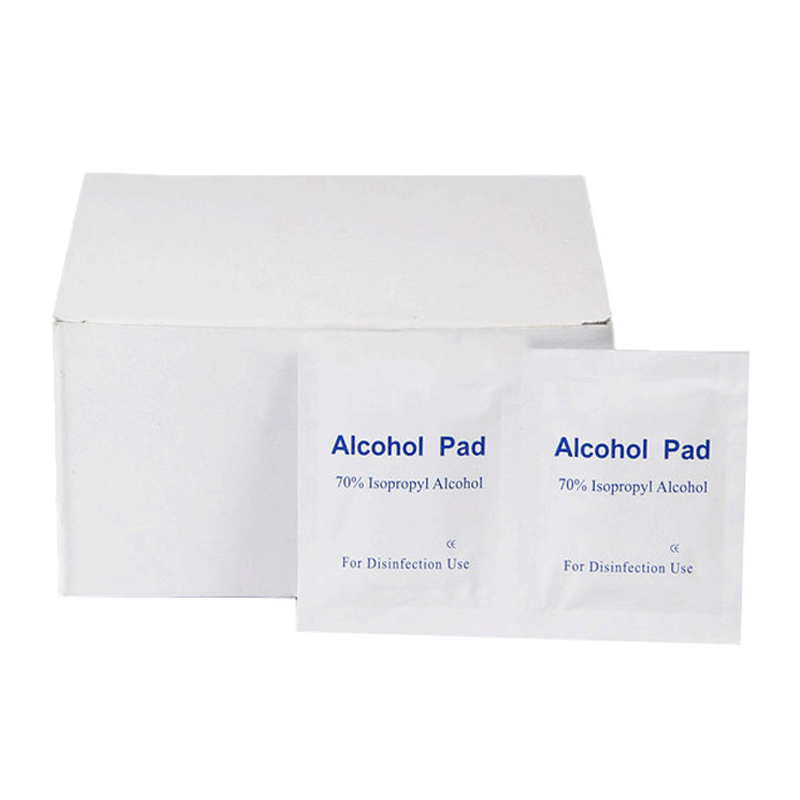
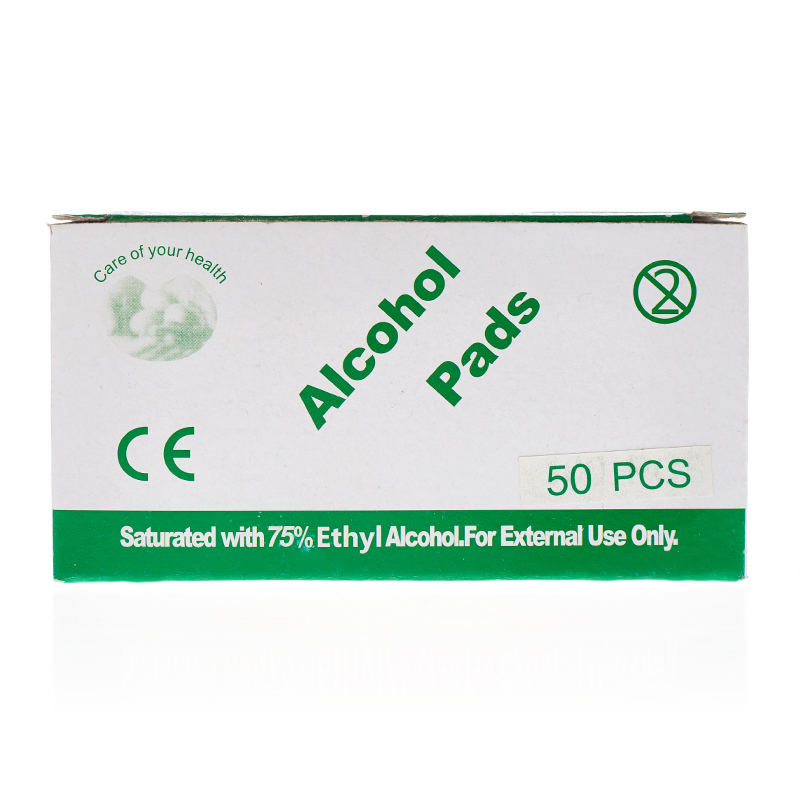
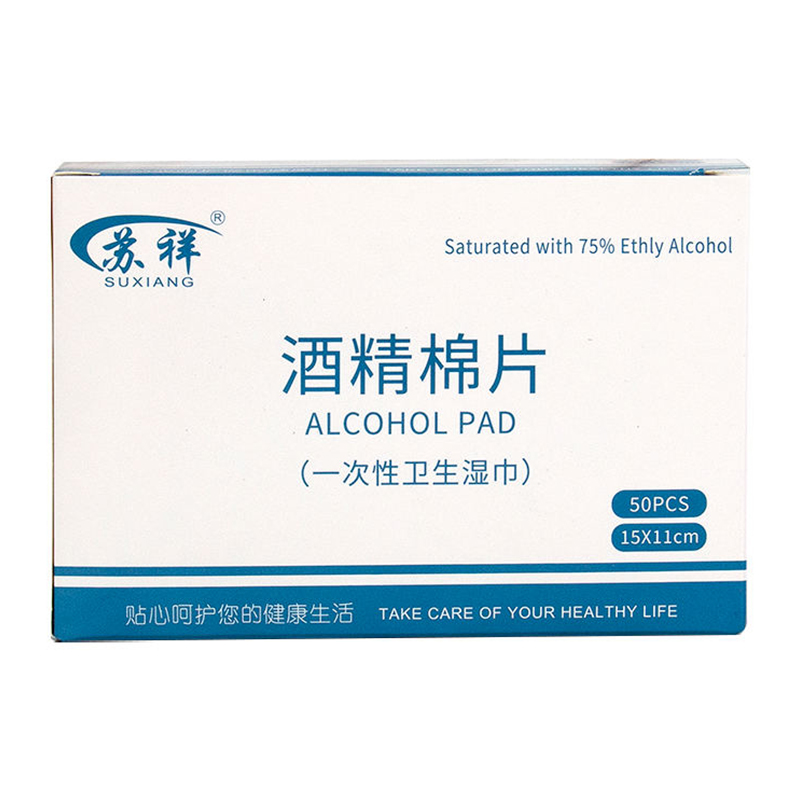
Alcohol-based wipes at 70% IPA or 75% ethanol are generally considered acceptable for occasional use on food contact surfaces because alcohol evaporates completely, leaving no chemical residue. The evaporation is the safety mechanism — once the alcohol has fully dried, there is no residue remaining on the surface to transfer to food.
However, alcohol wipes are not approved as EPA-registered food contact surface sanitizers in the US — they do not carry an EPA registration number because they are not formulated to meet the EPA's specific log-reduction efficacy requirements for sanitizers under the conditions of food service use. For environments that must demonstrate regulatory compliance with food safety standards (HACCP plans, FDA Food Safety Modernization Act compliance, restaurant health inspection requirements), alcohol wipes should be supplemented with or replaced by properly registered food contact surface sanitizing wipes where the documentation requirement applies.
Diluted sodium hypochlorite solution is one of the oldest and most widely approved food contact surface sanitizers globally. At concentrations of 50–200 ppm free chlorine, hypochlorite solutions are approved for food contact surface sanitization in most regulatory frameworks. Hypochlorite-based wipes are effective and inexpensive, but have practical limitations in food environments: they can bleach colored surfaces and fabrics, have a strong characteristic odor, and may corrode certain metals with repeated use. For food service environments where surface compatibility is a concern, QAC-based food contact wipes are generally preferred.
The product label is the primary source of information for determining whether a disinfectant wipe is approved for food contact surface use. Look for the following:
For buyers sourcing disinfectant wipes for food service, food processing, school cafeterias, hospital food service, or any institutional environment with formal food safety compliance requirements, the specification conversation with your manufacturer or supplier needs to go beyond "kills 99.9% of bacteria."
Key questions to ask before finalizing a product specification:
| Surface / Scenario | Recommended Wipe Type | Rinse Required? |
|---|---|---|
| Restaurant table tops (food placed directly on table) | QAC food contact sanitizing wipe at 200–400 ppm | Check label — most are no-rinse at specified concentration |
| Cutting boards and prep counters | EPA-registered food contact QAC wipe or bleach-based wipe | Rinse with potable water after contact time if the label requires |
| Kitchen equipment handles and buttons | Standard QAC disinfecting wipe or alcohol wipe | Not a food contact surface — no rinse requirement |
| Food packaging equipment surfaces | Food contact approved QAC wipe — verify with the food safety officer | Per label and HACCP plan requirement |
| Refrigerator interior shelves | Food contact approved wipe or alcohol wipe (allow full evaporation) | Allow alcohol to fully evaporate before storing food |
Standard alcohol wipes (70% IPA or 75% ethanol) can be used to disinfect a cutting board, provided the surface is allowed to dry completely before food contact resumes. Since alcohol evaporates without leaving a chemical residue, the food safety risk once the surface is fully dry is minimal. However, alcohol wipes are not EPA-registered food contact surface sanitizers and do not satisfy formal HACCP documentation requirements for validated food contact surface sanitization in regulated food service environments. For home kitchen use, an alcohol wipe followed by air drying is a practical disinfection approach. For commercial food service with compliance requirements, use an EPA-registered food contact sanitizing wipe or solution.
It depends on the specific product. Some disinfecting wipes approved for food contact surface use are formulated as no-rinse sanitizers — the residual concentration of active ingredient after the contact time is below the level that requires rinsing. Others require a rinse step with potable water after the contact time before food contact resumes. The product label will specify which applies. If the label does not explicitly state "no rinse required" for food contact surfaces, assume a rinse is needed and contact the manufacturer for clarification.
Standard baby wipes and general-purpose wet wipes are not disinfectants and do not contain active ingredients at concentrations effective for food contact surface sanitization. They may remove visible soil from a surface, but they do not reliably kill pathogens at the log-reduction levels required for food safety. Using baby wipes or general wet wipes on food contact surfaces satisfies neither the disinfection requirement nor the regulatory documentation requirement for food service environments. Use food-contact-approved disinfecting wipes for food safety applications.
For the US market, food contact surface disinfecting wipes should carry an EPA registration number with food contact surface use listed in the approved uses. NSF International certification (NSF/ANSI standard for food equipment and food service sanitizers) provides third-party verification of both efficacy and food contact safety. For EU markets, the product must be authorized under the Biocidal Products Regulation (BPR) for Product Type 4 (food and feed area disinfectants). ISO 22000 (food safety management system) certification of the manufacturing facility is relevant for food industry institutional buyers with supply chain audit requirements.
Yangzhou Suxiang Medical Instrument Co., Ltd. manufactures disinfectant wipes, including alcohol wipes, BZK antiseptic wipes, and kitchen cleaning wipes from its ISO 13485 and ISO 9001-certified facility in Yangzhou, China. OEM and private label services are available with CE, FDA, SGS, and MSDS documentation for export markets. Contact us through yzsxyl.com to discuss product specifications for your food service or institutional supply requirements.
Related Products: Alcohol Wipes | Kitchen Cleaning Wipes | BZK Antiseptic Wipes | Alcohol Prep Pads
Copyright © Yangzhou Suxiang Medical Instrument Co., LTD. The information provided on this website is intended for use only in countries and jurisdictions outside of the People's Republic of China. Wholesale Disposable Cleaning Wipes Suppliers