 English
 中文简体
中文简体

Home / News / Industry News / Why are high-quality screen wipes more effective than ordinary tissues?
News categories
Product categories
Industry News
Jan 22,2026
Why are high-quality screen wipes more effective than ordinary tissues?
In the digital age, screens are almost everywhere, from mobile phones and tablets to laptops, televisions, and various touch-screen devices. Screens have become the core interface of people's daily lives and work. However, screen cleaning and maintenance have long been neglected by many. Dust, oil stains, fingerprints, and microorganisms not only affect the visual experience but may also affect the lifespan of the device. In this context, screen wipes have emerged as an important tool for protecting electronic devices.
Materials and Structure of Screen Wipes
The core of high-quality screen wipes lies in their materials and design. Generally, high-quality wipes use microfiber cloth or non-woven fabric, which has a high fiber density and moderate softness, effectively capturing dust and oil stains while avoiding scratching the screen surface. Compared to ordinary tissues or cloths, microfiber can penetrate into the tiny gaps of the screen, resulting in a more thorough cleaning effect.
The liquid component of the wipes is also crucial. Professional screen wipes usually use low-alcohol or alcohol-free formulas, combined with gentle surfactants, which can quickly dissolve grease and stains without damaging the screen's anti-fingerprint coating or anti-reflective layer. Some high-end products also contain anti-static components, reducing secondary dust accumulation while cleaning, providing long-lasting protection for the screen.
In terms of structure, screen wipes are usually designed as individually packaged single wipes or in resealable packaging. Individually packaged wipes are convenient for carrying and suitable for business trips or mobile work; the resealable design is suitable for home and office environments, ensuring that the wipes remain moist for a long time, improving their lifespan and cost-effectiveness.
The Value of Using Screen Wipes
Screens are not only carriers of information but also frequently touched surfaces that require hygiene. Long-term neglect of cleaning can lead to the accumulation of fingerprints and the spread of oil stains, seriously affecting touch sensitivity and display quality. The value of using screen wipes is mainly reflected in three aspects:
Improved visual experience
A clean screen restores the original high-definition effect, making images, text, and videos sharper, reducing glare and blur.
Screen protection
Screen coatings are susceptible to damage from chemicals and physical friction. Screen wipes use gentle cleaning liquid and soft fabric, removing stains while maintaining the integrity of the coating, effectively extending the screen's lifespan.
Health and hygiene assurance
Electronic device surfaces often harbor a large number of microorganisms, especially frequently used personal devices such as mobile phones and tablets. Screen Wipes can remove surface dust and grease, and some products also have antibacterial properties, reducing the risk of bacterial transmission and providing auxiliary protection for personal health.
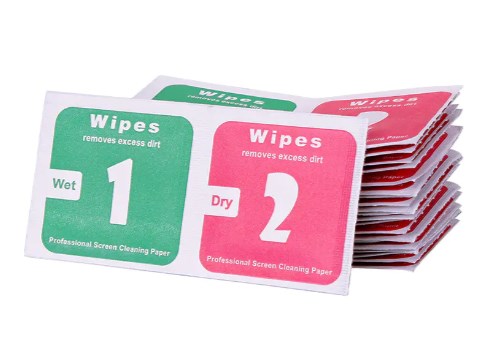
How to choose the right Screen Wipes?
When choosing Screen Wipes, you should pay attention to material safety, cleaning performance, and applicability. High-quality microfiber materials can prevent scratches, gentle formulas ensure that the screen coating is not damaged, and the packaging design affects portability and ease of storage.
Different electronic devices have different cleaning requirements. High-end mobile phones and tablets are usually equipped with anti-fingerprint and anti-glare coatings, requiring particularly gentle wipes to avoid affecting screen characteristics. Large-screen monitors and TVs, on the other hand, focus more on the coverage area and water absorption capacity of the wipes to ensure effective cleaning in one go.
When purchasing, you should also pay attention to product ingredients and certifications. Professional Screen Wipes are usually labeled as non-corrosive, alcohol-free, or with a low alcohol content. Some products have passed international skin safety certifications, ensuring that frequent contact with hands will not cause irritation or allergies.
Tips for using Screen Wipes
Although Screen Wipes are easy to use, mastering the correct usage method can significantly improve cleaning effectiveness and screen protection. Wipes should be used when the screen is off to prevent liquid from entering the device. Gentle wiping is key; avoid excessive force to prevent screen pressure or scratches.
When cleaning, it is generally recommended to move from the center of the screen to the edges. This prevents stains from spreading and ensures that each area is thoroughly wiped. After use, a dry cloth can be used to gently wipe dry, ensuring that there is no residual liquid on the screen surface, improving smoothness and touch sensitivity.
For people who use electronic devices frequently, regular screen cleaning can extend screen life, maintain the device's appearance, and improve user comfort. Screen Wipes are not only a tool in this process but also an integral part of daily maintenance.
Differentiation of Screen Wipes in the market
With the increasing variety of electronic products, Screen Wipes are also showing a trend towards diversification. Different brands have their own characteristics in terms of materials, liquid formulas, packaging forms, and additional functions. For example, some high-end products focus on antibacterial properties, capable of removing both bacteria and viruses; other products emphasize environmentally friendly materials, with biodegradable wipes that align with green consumption concepts. Screen cleaning wipes also vary in terms of portability; single-pack wipes are suitable for carrying around, while larger packs are ideal for office or home use. This differentiation not only meets the needs of different user scenarios but also allows consumers to choose based on their personal device type and usage habits, thus achieving the best cleaning results.
FAQ
Q1: Are Screen Wipes suitable for all types of screens?
A1: High-quality Screen Wipes are suitable for most electronic screens, including mobile phones, tablets, laptops, monitors, and televisions. However, for screens made of special materials (such as some high-end anti-glare or privacy screens), it is recommended to choose products that are specifically labeled as compatible to avoid damage.
Q3: Will using Screen Wipes damage the screen coating?
A2: Professional wipes usually use gentle formulas and soft materials, and normal use will not damage the screen's anti-fingerprint coating or anti-reflective layer. However, it is not recommended to use ordinary paper towels or cleaning wipes containing strong corrosive ingredients.
Q3: Is the antibacterial function of Screen Wipes reliable?
A3: Some Screen Wipes contain antibacterial ingredients that can reduce the number of bacteria on the surface, but they cannot completely replace regular hand cleaning and hygiene measures. Regular cleaning of devices and maintaining hand hygiene are still recommended.
Q4: How to extend the lifespan of Screen Wipes?
A4: When storing wipes, keep them sealed to prevent liquid evaporation. Products with resealable packaging are more suitable for long-term use, ensuring that they remain moist with each use.
Q5: Can Screen Wipes be used frequently?
A5: Yes, but it is recommended to determine the cleaning frequency based on screen usage frequency and environment. Excessive wiping may cause wear and tear on the screen coating. Usually, regular weekly cleaning is sufficient to keep the screen clean and hygienic.
related products

ADD:West side of Baoyuan Road, Industrial Concentration Zone, Anyi Town, Baoying County, Yangzhou City, Jiangsu Province, China 225800
Phone: 0086-18115449718
E-mail:2850391871@qq.com
Products & Solutions
Copyright © Yangzhou Suxiang Medical Instrument Co., LTD. The information provided on this website is intended for use only in countries and jurisdictions outside of the People's Republic of China.
