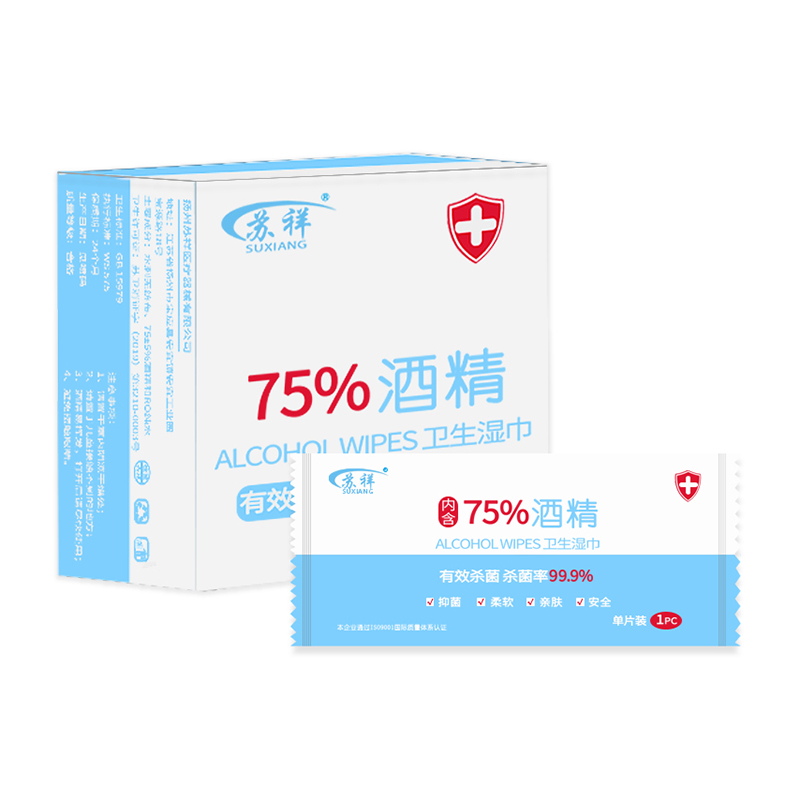
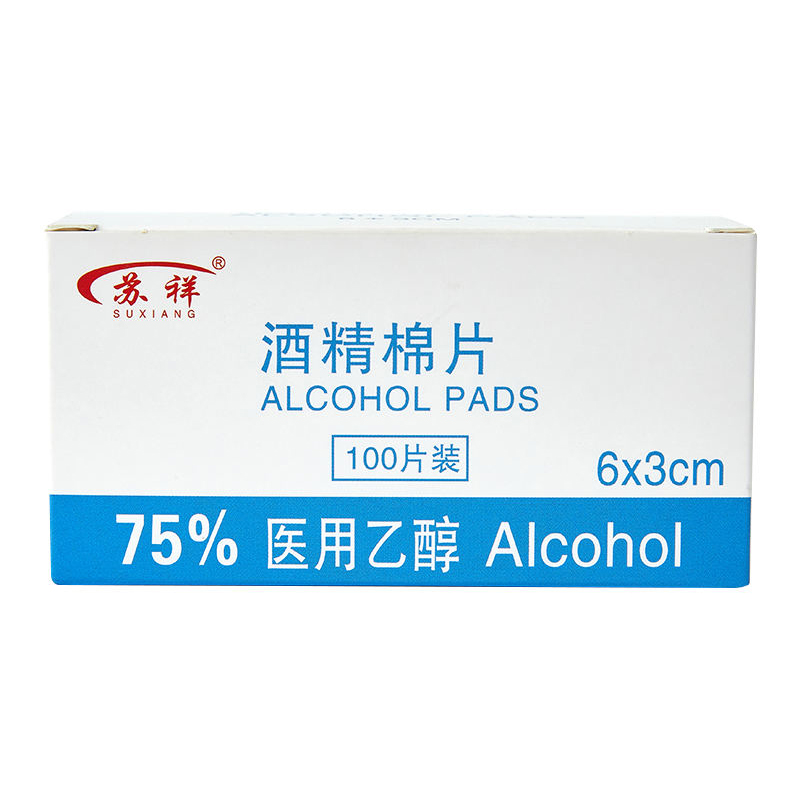
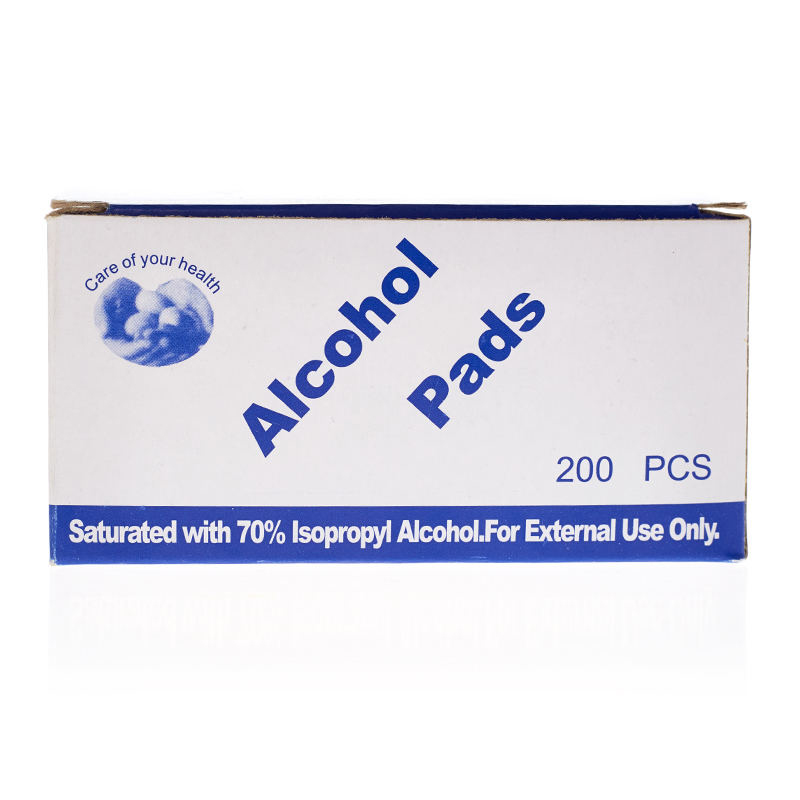
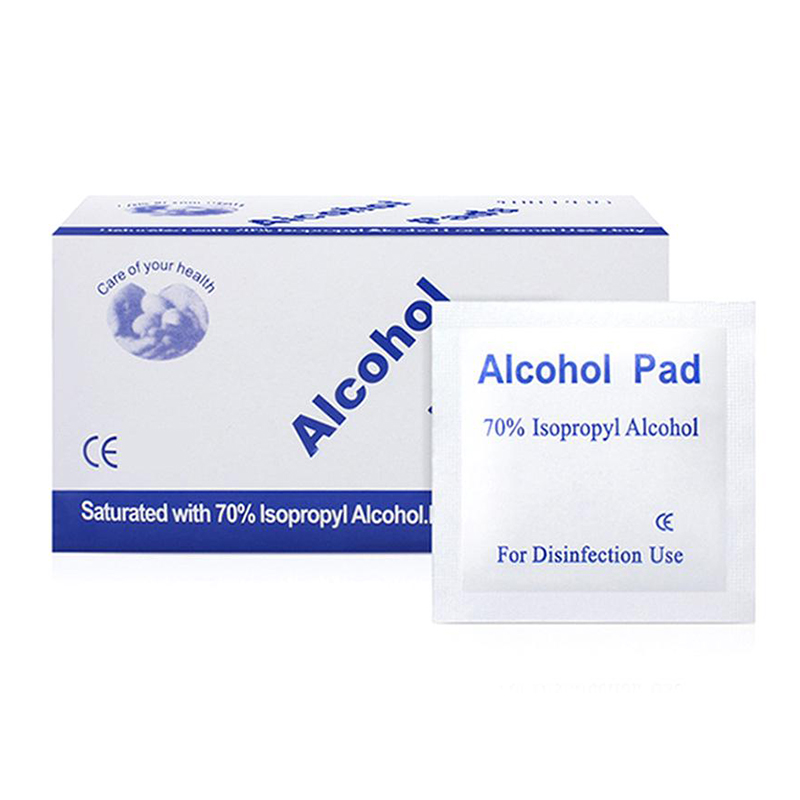
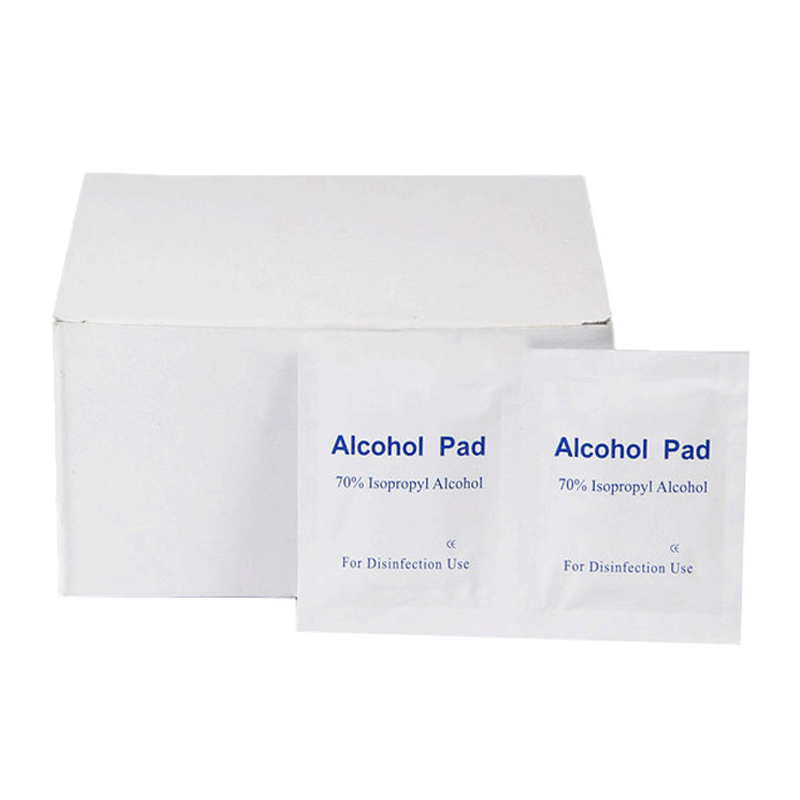
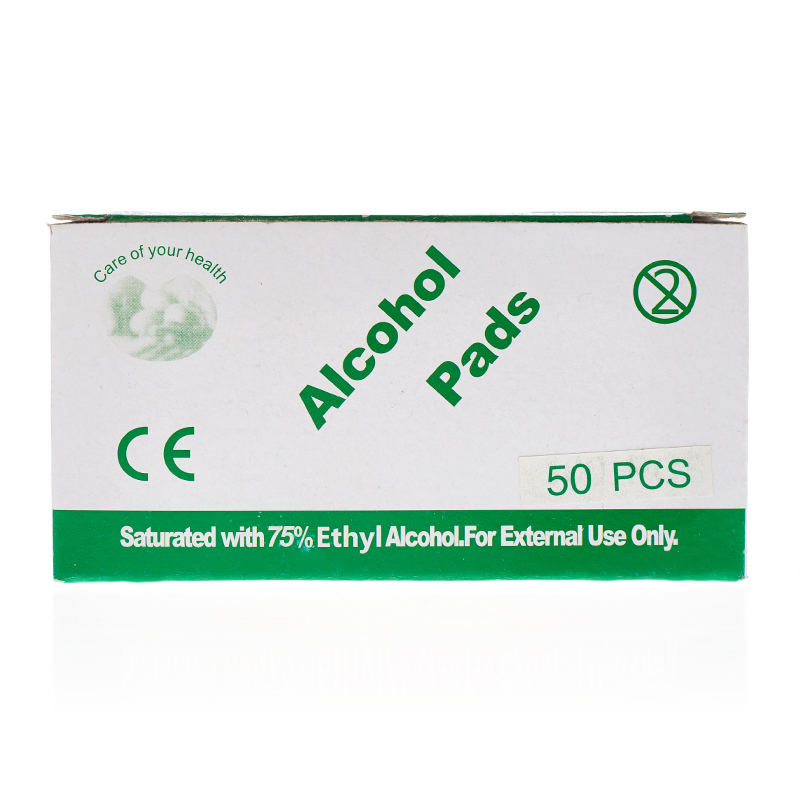
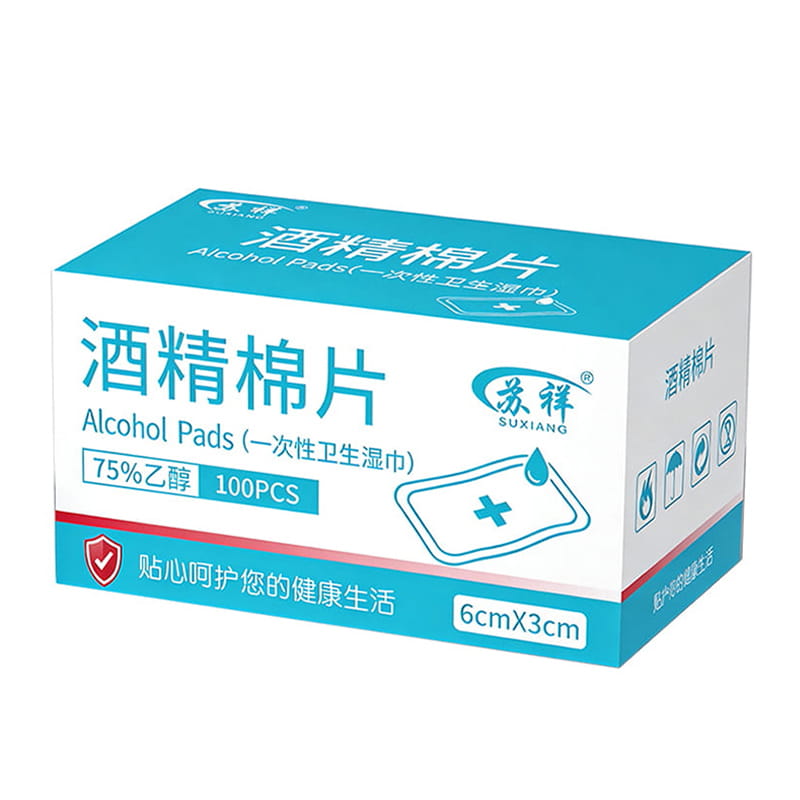
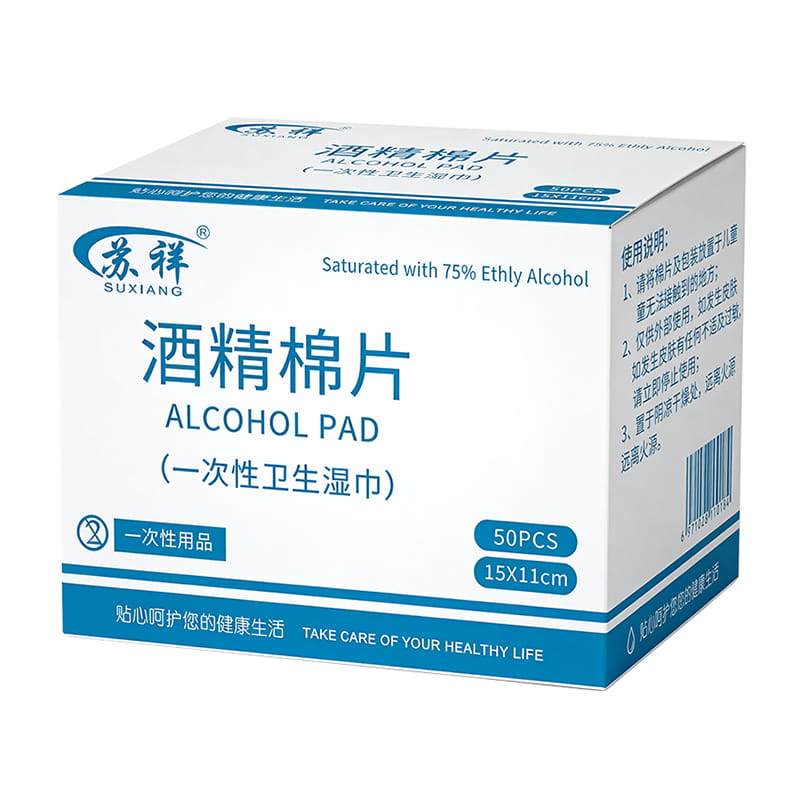
Alcohol wipes serve as one of the most convenient and effective disinfection solutions available for both personal and professional use. When properly manufactured and stored, they can eliminate up to 99.9% of common pathogens including bacteria, viruses, and fungi from surfaces. Their portability, ease of use, and rapid action time make them indispensable in healthcare settings, households, and during travel. However, users must understand proper application techniques, appropriate surfaces, and limitations to maximize their effectiveness.
Alcohol wipes work through a fundamental biochemical process that destroys microorganisms at the cellular level. The active ingredients, typically ethanol or isopropyl alcohol, penetrate the cell walls of bacteria and the protein shells of viruses. This causes rapid denaturation of proteins and dissolution of lipid membranes, leading to immediate cell death. The process occurs within seconds of application, making alcohol wipes significantly faster than many alternative disinfection methods.
The effectiveness depends primarily on the concentration of alcohol in the solution. Research demonstrates that concentrations between 60% and 90% provide optimal antimicrobial activity. Solutions below 60% may not effectively kill certain resistant pathogens, while concentrations above 90% can evaporate too quickly to allow adequate contact time for complete disinfection.
Key Insight: The ideal alcohol concentration sits around 70% because it balances antimicrobial potency with appropriate evaporation time, allowing sufficient contact duration for thorough disinfection.
Alcohol wipes typically contain additional components beyond the alcohol solution. These may include purified water, emollients to prevent surface damage, and occasionally surfactants to enhance cleaning action on soiled surfaces. The combination creates a synergistic effect that improves overall cleaning performance.
Alcohol wipes find utility across virtually every environment where hygiene matters. Their versatility stems from the broad-spectrum antimicrobial activity of alcohol combined with the convenience of pre-moistened disposable wipes.
Medical facilities rely heavily on alcohol wipes for disinfecting stethoscopes, blood pressure cuffs, thermometers, and other non-critical equipment between patients. Studies show that proper wipe protocols can reduce healthcare-associated infection rates significantly.
Home applications include sanitizing frequently touched surfaces like doorknobs, light switches, remote controls, and mobile devices. Regular wipe use can interrupt transmission pathways for common illnesses.
Portable wipe packs allow travelers to sanitize airplane tray tables, hotel surfaces, public restroom fixtures, and rental car interiors, providing protection in unfamiliar environments.
The convenience factor cannot be overstated. Unlike liquid disinfectants that require separate cloths and measuring, wipes provide a ready-to-use solution with consistent chemical delivery. This consistency reduces user error and ensures reliable results across applications.
Understanding what alcohol wipes can and cannot kill helps users make informed decisions about their use. Alcohol demonstrates broad-spectrum activity against most common pathogens.
| Pathogen Type | Effectiveness | Kill Time |
| Gram-positive bacteria | Highly Effective | 15-30 seconds |
| Gram-negative bacteria | Highly Effective | 15-30 seconds |
| Enveloped viruses | Highly Effective | 30-60 seconds |
| Non-enveloped viruses | Moderately Effective | 1-3 minutes |
| Fungi | Highly Effective | 30-60 seconds |
| Bacterial spores | Not Effective | N/A |
The lipid envelope surrounding many viruses proves particularly susceptible to alcohol disruption. This includes numerous clinically significant viruses that cause respiratory and gastrointestinal illnesses. However, non-enveloped viruses like certain enteroviruses and bacterial spores require alternative disinfection methods.
Important Limitation: Alcohol wipes cannot eliminate bacterial spores. Environments requiring sporicidal activity must employ specialized disinfectants, typically chlorine-based compounds or hydrogen peroxide formulations.
Many users significantly reduce effectiveness through improper application. The technique matters as much as the chemical composition in achieving reliable disinfection.
The most common error involves wiping too quickly and allowing the surface to dry within seconds. This insufficient contact time dramatically reduces efficacy. Users must apply enough solution to keep the surface visibly wet for the minimum contact period specified for their target pathogens.
Surface coverage also affects results. Wiping in overlapping strokes ensures complete coverage, similar to painting. Missing small areas creates reservoirs where pathogens can survive and potentially repopulate the surface.
While alcohol wipes work excellently on many surfaces, certain materials may suffer damage from repeated alcohol exposure. Understanding compatibility prevents costly damage to valuable items.
Electronics require special mention. Most modern smartphones and tablets can tolerate brief alcohol wipe cleaning, but manufacturers often recommend specific products. Users should check device guidelines before applying alcohol-based products to screens or keyboards.
Professional Tip: For uncertain surfaces, test alcohol wipes on a small inconspicuous area first. If no discoloration or damage appears after drying, the surface likely tolerates regular alcohol cleaning.
Proper storage directly impacts alcohol wipe effectiveness. The alcohol component evaporates readily, and compromised packaging can render wipes useless within days.
Manufacturers typically package wipes in resealable containers or individual foil packets. These designs aim to minimize alcohol evaporation between uses. However, user handling significantly affects how well these systems perform.
| Storage Condition | Unopened Package | After Opening |
| Room temperature, sealed | 2-3 years | 1-3 months |
| Hot environment | 1-2 years | 2-4 weeks |
| Individual foil packets | 2-3 years | Single use |
| Improperly sealed container | Varies widely | Days to weeks |
Temperature extremes accelerate alcohol loss. Storing wipes in hot vehicles or near heat sources can reduce effectiveness rapidly. Conversely, very cold temperatures may affect the wipe material and solution distribution.
Users should assess wipe moisture before use. If wipes feel dry or barely damp, alcohol content has likely dropped below effective levels. Such products should be discarded rather than used for disinfection purposes.
While generally safe for their intended purposes, alcohol wipes require certain precautions. Understanding potential hazards ensures safe usage across all scenarios.
Alcohol vapors can ignite near open flames or high-heat sources. Never use alcohol wipes while smoking, near lit candles, or around operating gas appliances. The risk persists until the alcohol completely evaporates from treated surfaces.
Skin contact typically causes no harm during normal use. However, individuals with sensitive skin or pre-existing dermatological conditions may experience irritation, dryness, or allergic reactions. Extended or repeated skin contact should be avoided.
Eye exposure requires immediate flushing with water. Users should avoid touching their face during or immediately after handling alcohol wipes. Ingestion poses serious health risks and requires immediate medical attention.
Proper ventilation matters when using multiple wipes in enclosed spaces. While occasional use produces minimal vapor, intensive cleaning in small rooms can create measurable airborne alcohol concentrations.
The convenience of disposable wipes comes with environmental considerations. Responsible usage and disposal help minimize ecological impact.
Most alcohol wipes consist of synthetic materials that do not readily biodegrade. The combination of plastic-based fabrics and chemical residues creates waste that persists in landfills. Users concerned about environmental impact should consider several approaches:
Some manufacturers now offer biodegradable wipe options. While these products address the solid waste concern, users should verify that environmental claims align with actual decomposition rates and conditions.
Understanding how alcohol wipes compare to other options helps users select the most appropriate method for each situation.
| Method | Speed | Portability | Spectrum | Cost |
| Alcohol wipes | Very fast | Excellent | Broad | Moderate |
| Bleach solution | Moderate | Poor | Very broad | Low |
| Hydrogen peroxide | Moderate | Fair | Broad | Moderate |
| Quaternary ammonium | Slow | Fair | Broad | Moderate |
| UV light devices | Variable | Fair | Broad | High |
Each method carries distinct advantages. Bleach provides superior sporicidal activity but requires careful handling and long contact times. UV devices leave no residue but may miss shadowed areas. Alcohol wipes excel in convenience, speed, and portability, making them ideal for quick disinfection tasks and travel situations.
Optimizing alcohol wipe usage requires adapting techniques to specific circumstances. Different environments present unique challenges and requirements.
In clinical settings, alcohol wipes support infection control between patient encounters. Focus on high-touch medical equipment, bed rails, and examination surfaces. Maintain supply stations throughout the facility for easy access. Train staff on proper technique and monitor compliance regularly.
Households benefit from establishing regular wiping routines for common surfaces. Keep containers in bathrooms, kitchens, and entry areas. Teach children proper use under supervision. Rotate stock to ensure fresh products are always available.
Travelers should carry individual packets for maximum portability. Sanitize hotel room surfaces upon arrival, focusing on frequently touched items like remote controls, telephones, and bathroom fixtures. Use wipes on public transportation surfaces when possible.
The alcohol wipe market continues evolving with improvements in formulations, materials, and delivery systems. Several trends shape future product development.
Antimicrobial additives represent one area of innovation. Some products now incorporate additional active ingredients that extend residual protection beyond the initial alcohol application. These combinations aim to provide ongoing antimicrobial activity after the alcohol evaporates.
Material science advances enable more environmentally responsible wipe construction. Plant-based fabrics, biodegradable options, and reduced-plastic formulations address growing consumer demand for sustainable products without sacrificing functionality.
Packaging improvements focus on extending shelf life and reducing waste. Better sealing mechanisms, smaller package sizes that reduce unused product, and more robust individual wrapping all contribute to improved user experience and reduced product loss.
Smart packaging with freshness indicators helps users identify when alcohol content has degraded below effective levels. Color-changing labels or simple test strips could soon become standard features, reducing wasted product and ensuring reliable disinfection.
Selecting appropriate alcohol wipes requires understanding personal needs and matching products accordingly. Several factors influence optimal product selection.
Consider the primary intended use. Heavy-duty industrial applications may require larger, more saturated wipes. Personal travel needs favor compact, individually wrapped options. Household use typically benefits from mid-size canisters that balance convenience with value.
Alcohol concentration should match requirements. Standard 70% formulations suit most general purposes. Specialized applications might require different concentrations or alcohol types, though most consumer needs are adequately met by standard products.
Material quality affects both user experience and cleaning effectiveness. Stronger fabrics resist tearing during vigorous wiping and provide better surface coverage. Lower-quality materials may shred or leave lint residue on cleaned surfaces.
Ultimately, alcohol wipes remain one of the most practical and reliable disinfection tools available. When selected thoughtfully and used correctly, they provide rapid, effective protection against countless harmful microorganisms across virtually every environment where hygiene matters.
Copyright © Yangzhou Suxiang Medical Instrument Co., LTD. The information provided on this website is intended for use only in countries and jurisdictions outside of the People's Republic of China. Wholesale Disposable Cleaning Wipes Suppliers