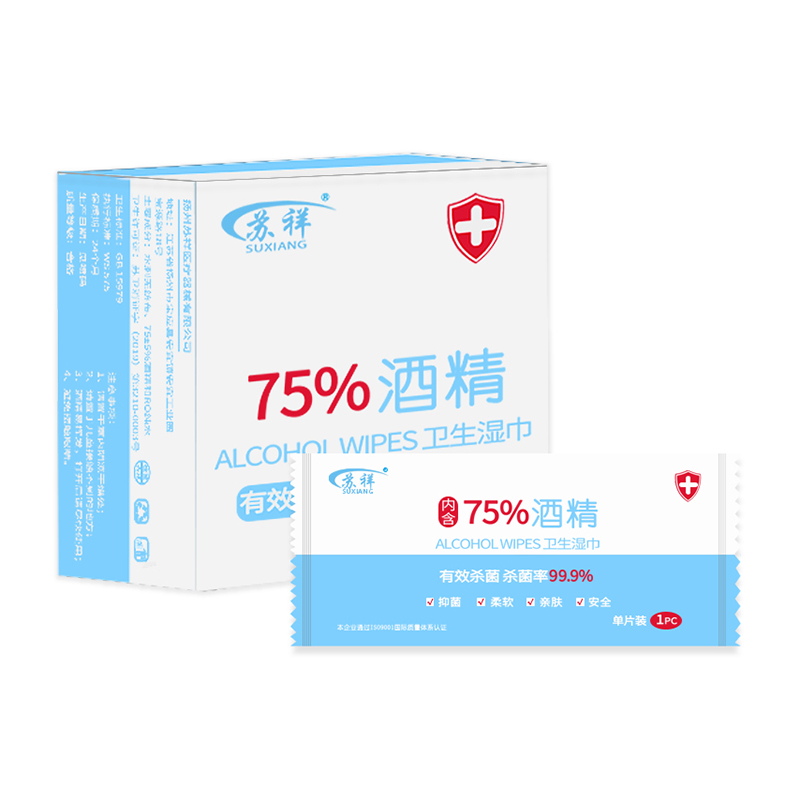
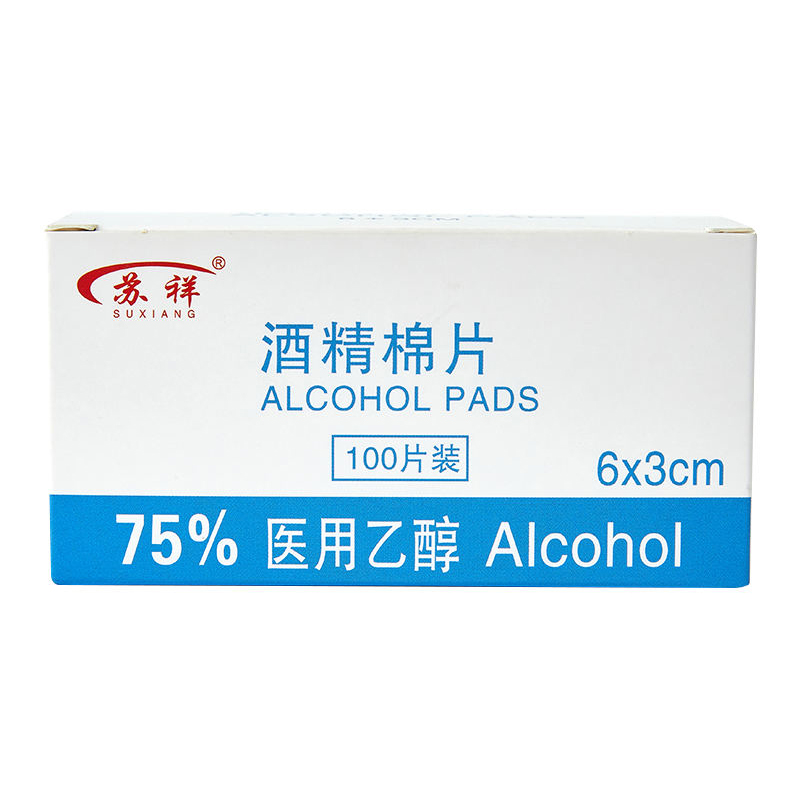
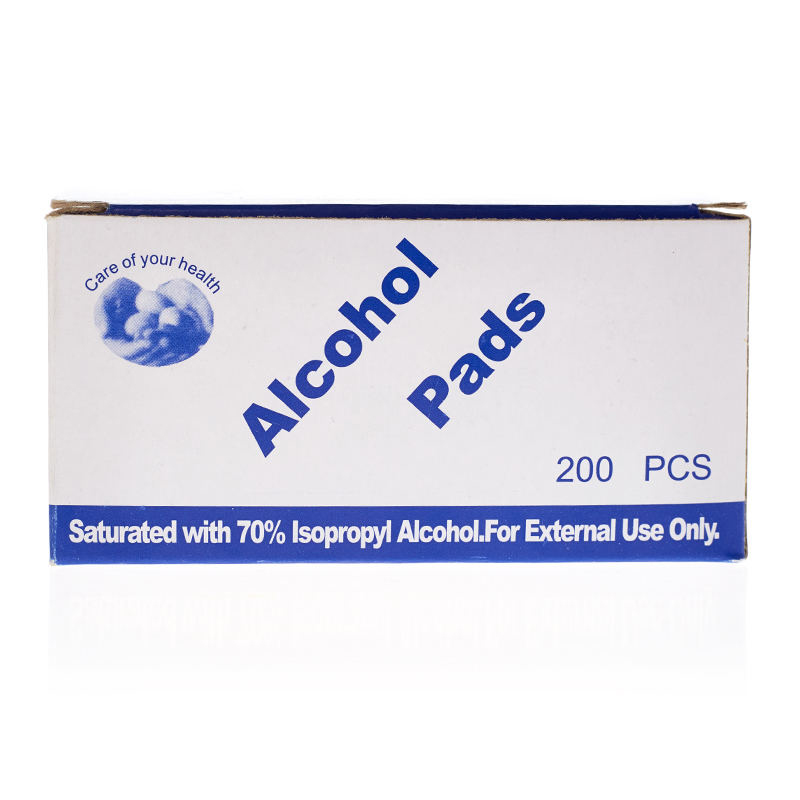
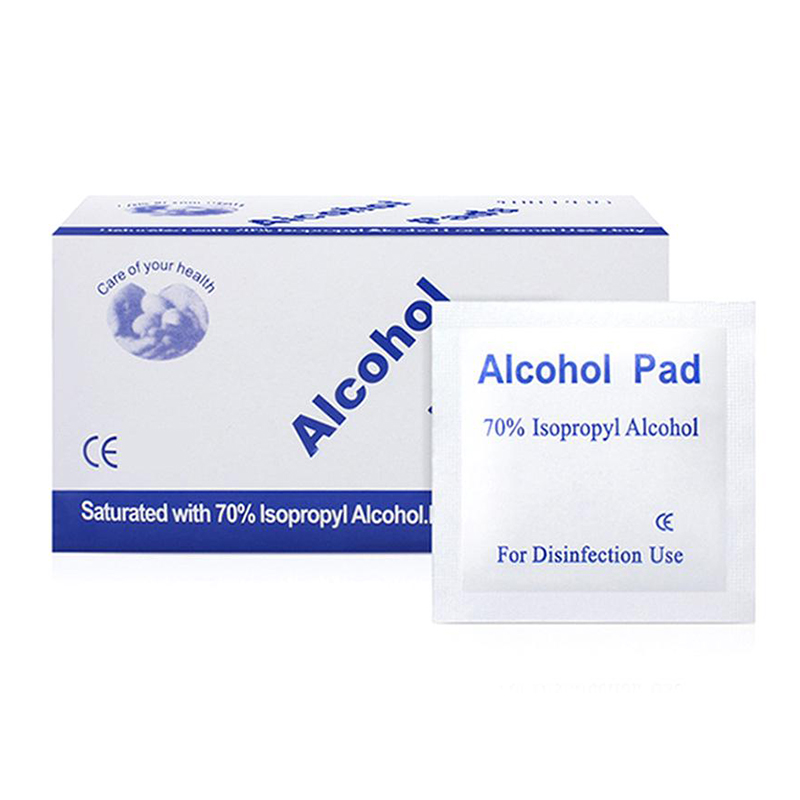
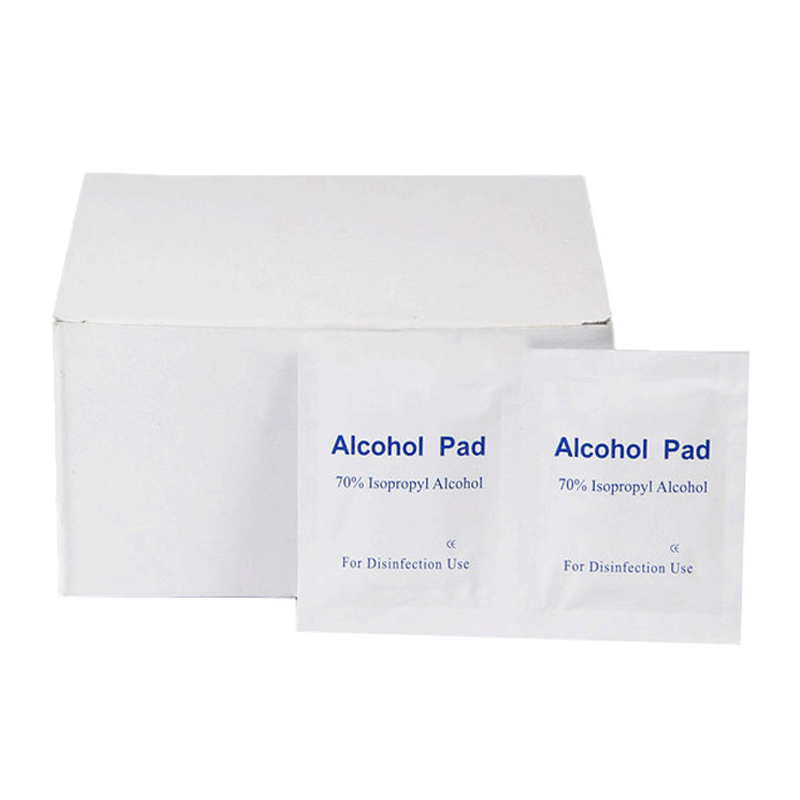
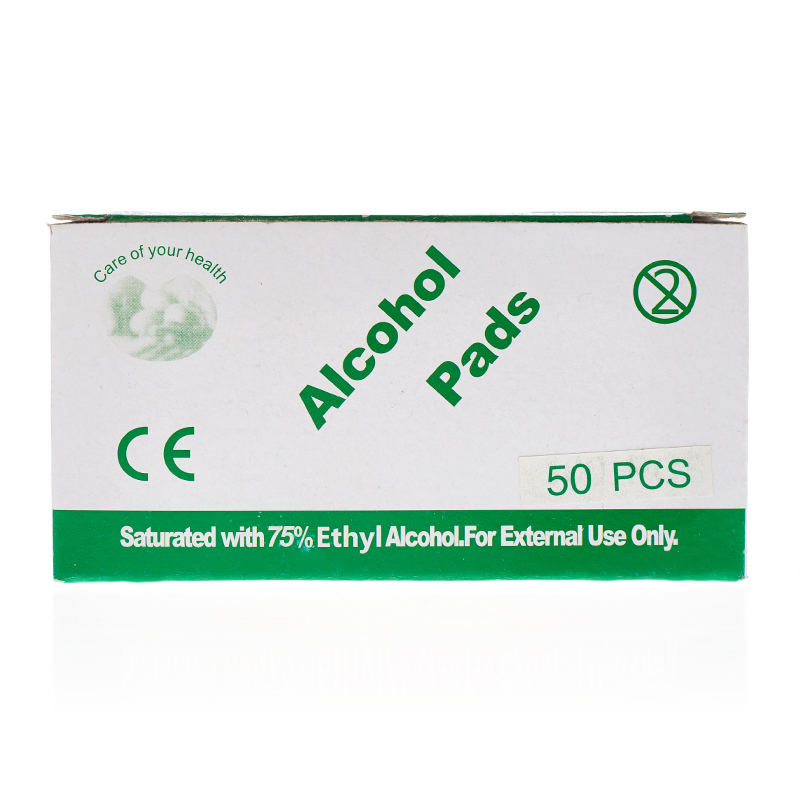
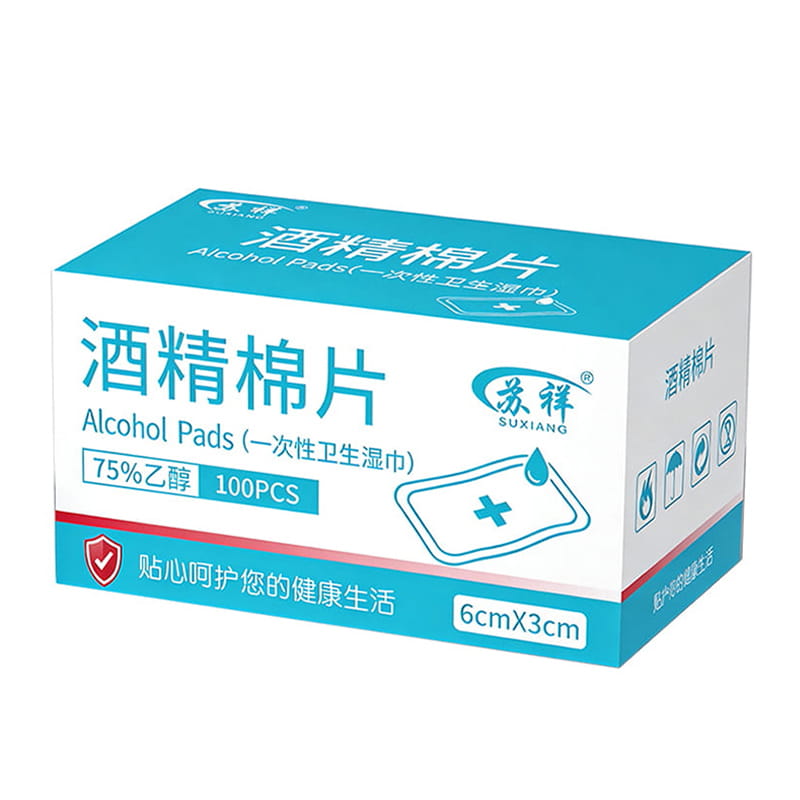
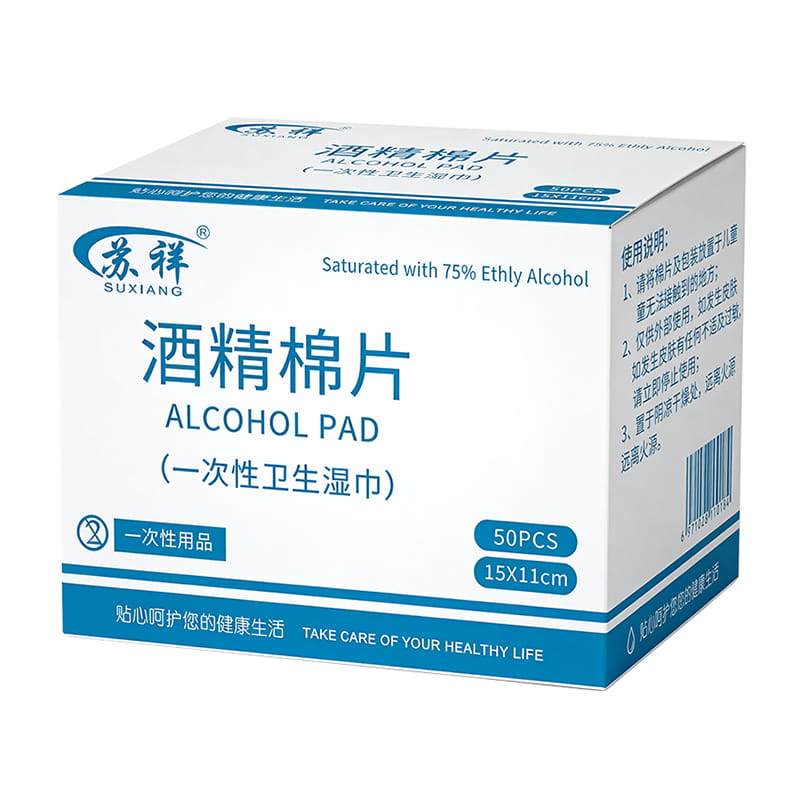
Sterile alcohol prep pads are single-use, antiseptic swabs primarily designed to disinfect the skin or small non-porous surfaces before invasive medical procedures, such as injections or minor surgeries. Their core function is to迅速 reduce the load of bacteria, viruses, and fungi on a specific area, thereby preventing the introduction of pathogens into the body. While they are a staple in clinical settings, their utility extends significantly to home first aid kits and personal hygiene. Effective usage involves applying the pad to the target area and allowing the alcohol to air dry completely to ensure maximum antimicrobial efficacy. They are not intended for cleaning deep wounds or large surface areas, but rather for localized, high-priority sterilization.
To utilize these tools effectively, it is necessary to understand what they are and how they operate. These pads typically consist of a soft, non-woven material, often a blend of polyester and viscose, which is saturated with a solution of Isopropyl Alcohol (commonly 70%). The choice of material ensures that the pad does not leave lint or fibers behind on the skin, which could otherwise contaminate a sterile field or an injection site.
A common misconception is that higher alcohol concentrations equate to better sterilization. However, sterile alcohol prep pads generally use a 70% concentration because it is more effective at penetrating bacterial cell walls than higher concentrations, such as 90% or 99%. Pure alcohol coagulates proteins instantly upon contact, creating a barrier that prevents the alcohol from penetrating deeper into the cell. In contrast, a 70% solution coagulates proteins more slowly, allowing the alcohol to permeate the entire cell, denaturing proteins and effectively killing the microorganism. The presence of water in the 70% solution is also crucial as it acts as a catalyst and facilitates the penetration process.
The term "sterile" in this context means that the pad itself and the packaging have undergone a rigorous validation process to ensure they are free from viable microorganisms. This distinguishes them from general cleaning wipes found in supermarkets. For procedures that break the skin barrier, such as drawing blood or insulin injections, using a non-sterile wipe could introduce bacteria into the bloodstream, leading to serious infections like sepsis. Therefore, the packaging is designed to be hermetically sealed until the moment of use, preserving the integrity of the pad.
The most critical use cases for these pads are found in environments where infection control is paramount. Their portability and single-use nature make them ideal for a variety of specific medical tasks.
This is the most frequent application. Whether in a hospital for intravenous (IV) therapy or at home for insulin injections, the injection site must be free of surface flora. The proper technique involves a single, vigorous swabbing motion starting from the center of the intended injection site and moving outward in a widening circle. It is clinically vital to allow the skin to dry completely after wiping; injecting through wet alcohol can cause a stinging sensation and, more importantly, may trap pathogens beneath the skin's surface as the needle enters.
Phlebotomists rely heavily on these pads to prevent bacteria from entering the venous system. Since blood draws involve accessing a vein directly, the risk of contamination is higher. The alcohol prep pad serves as the first line of defense against bacteremia or septicemia. In this context, the pad is also used to clean the puncture site *after* the needle is removed to stop bleeding and seal the wound with a bandage, ensuring the area remains disinfected during the clotting process.
While autoclaving is the standard for surgical tools, smaller non-invasive instruments like thermometers, stethoscopes, and tweezers can be effectively disinfected between patients or uses using sterile alcohol prep pads. The alcohol quickly evaporates, leaving the instrument dry and ready for use without the need for rinsing. This is particularly useful in home care settings where heavy machinery is not available.
Beyond professional healthcare, these pads are versatile components of a household first aid kit. Their convenience allows for immediate action during minor emergencies.
For superficial injuries, such as a small paper cut or a scraped knee, an alcohol prep pad can be used to flush out debris and kill surface bacteria. This proactive step significantly reduces the likelihood of infection while the wound heals. However, it is important to note that for larger, deep, or heavily bleeding wounds, alcohol may be too harsh and can damage healthy tissue cells needed for repair; in such cases, sterile saline or water is preferred for initial cleaning.
When treating a blister, especially one that has burst, sterility is key to preventing infection. An alcohol pad can be used to clean the surrounding area before applying an antibiotic ointment and a protective bandage. Additionally, they are useful for cleaning the skin around ingrown toenails or splinters before removal.
While not their primary medical use, many individuals utilize these pads to clean high-touch personal items that come into contact with the face or mouth, such as lip balm containers, tweezers, nail clippers, and mobile phone screens. The rapid evaporation ensures the item is not left wet, making it a convenient option for on-the-go hygiene.
While highly effective, sterile alcohol prep pads have specific limitations and safety guidelines that must be followed to avoid injury or ineffective treatment.
Alcohol is highly flammable. Used pads should be disposed of immediately in a waste container and allowed to dry out before being thrown into a general trash bin. They should never be used near open flames, candles, or while smoking. There have been documented incidents of fires in clinical settings when alcohol-soaked pads were not allowed to dry completely before the use of electrocautery tools.
Frequent use on sensitive or intact skin can cause dryness, redness, and dermatitis. The stripping of natural oils from the skin compromises the barrier function over time. Individuals with sensitive skin or known allergies to isopropyl alcohol should avoid using these pads or rinse the area with water after the disinfection process is complete. If a severe rash or burning sensation occurs, medical advice should be sought.
These pads are designed for external use only. They should never be used on mucous membranes such as the eyes, inside the nose, mouth, or ears. The alcohol can cause severe irritation and chemical burns to these delicate tissues. Additionally, they are not suitable for cleaning deep puncture wounds or animal bites, where the efficacy of surface disinfection is limited compared to the risk of tissue toxicity.
Understanding how sterile alcohol prep pads compare to other common antiseptics helps in choosing the right tool for the situation. The following table highlights the key differences between alcohol, iodine, and saline solutions.
| Antiseptic Type | Speed of Action | Primary Use Case | Key Advantages |
|---|---|---|---|
| Alcohol Prep Pads | Very Fast | Pre-injection skin prep, small cuts | Quick drying, no residue |
| Povidone-Iodine | Moderate | Surgical scrubs, broader wound disinfection | Effective in presence of organic matter |
| Sterile Saline | N/A (Cleansing only) | Wound irrigation, hydrating dressings | Non-irritating, safe for internal tissues |
Maintaining the efficacy of sterile alcohol prep pads requires proper storage and an awareness of their expiration date.
These pads should be stored at room temperature, away from direct sunlight and excessive heat. Heat can cause the alcohol to evaporate through the packaging, drying out the pad and rendering it useless. Once the foil wrapper is torn open, the pad begins to lose its sterility and alcohol content rapidly. It is imperative to use the pad immediately after opening and discard any leftovers. Never attempt to reseal a used pad for later use.
Manufacturers assign an expiration date, typically ranging from two to three years from the date of production. Over time, the alcohol can evaporate or the packaging may degrade, compromising the sterility. An expired pad may be dry or may contain a lower concentration of alcohol than required for effective disinfection. Regularly checking the dates on first aid kit supplies is a recommended practice to ensure readiness.
The single-use nature of these pads generates waste. The synthetic material does not biodegrade quickly, and the foil packaging is often not recyclable in standard streams. While they are essential for infection control, users should be mindful of disposing of them responsibly. Using them only when necessary—rather than for general cleaning where reusable cloths and sprays might suffice—helps reduce their environmental footprint.
Copyright © Yangzhou Suxiang Medical Instrument Co., LTD. The information provided on this website is intended for use only in countries and jurisdictions outside of the People's Republic of China. Wholesale Disposable Cleaning Wipes Suppliers