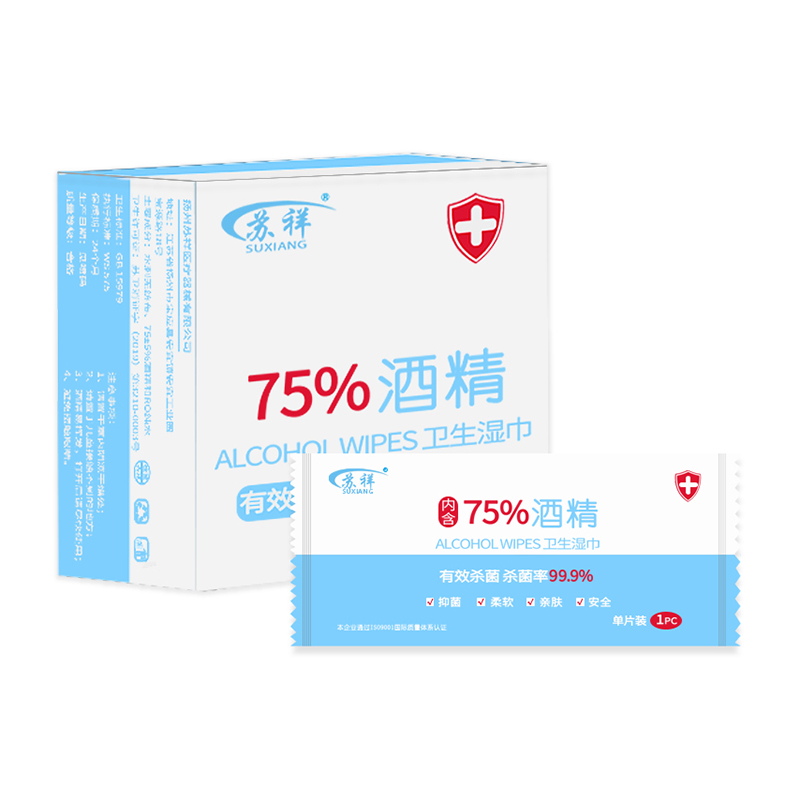
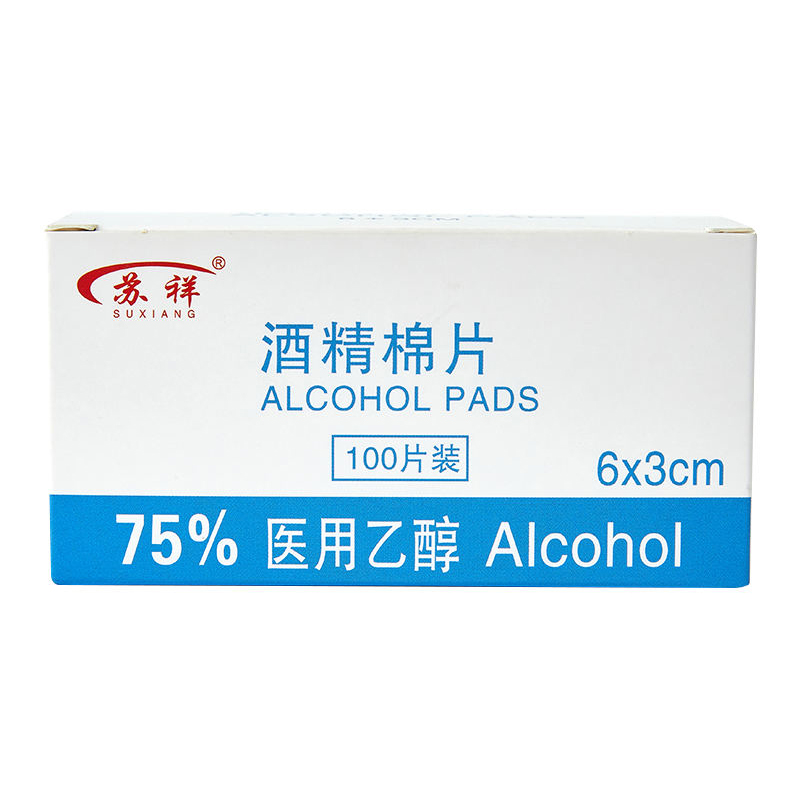
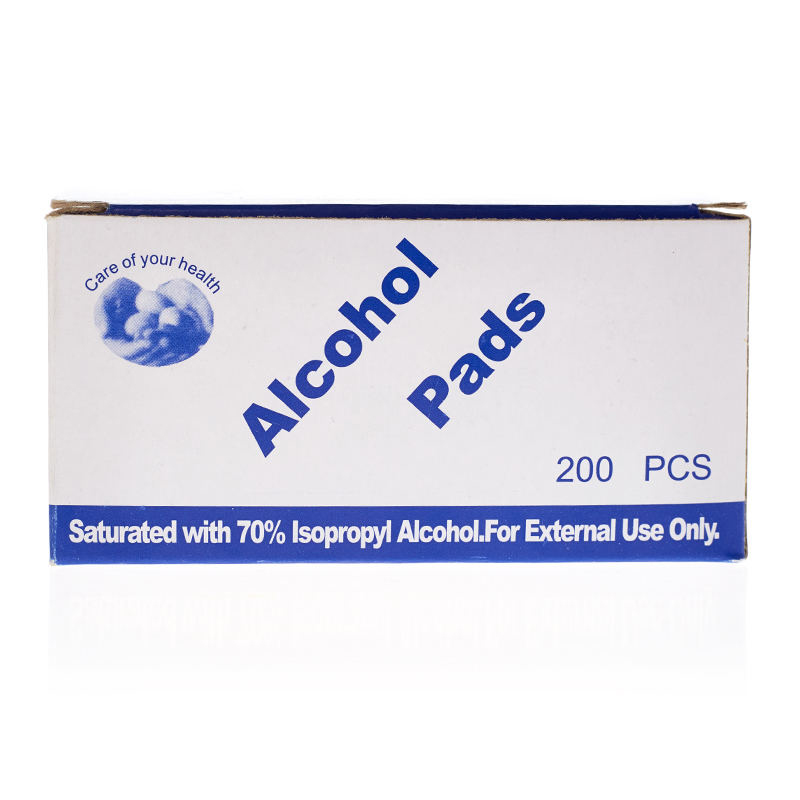
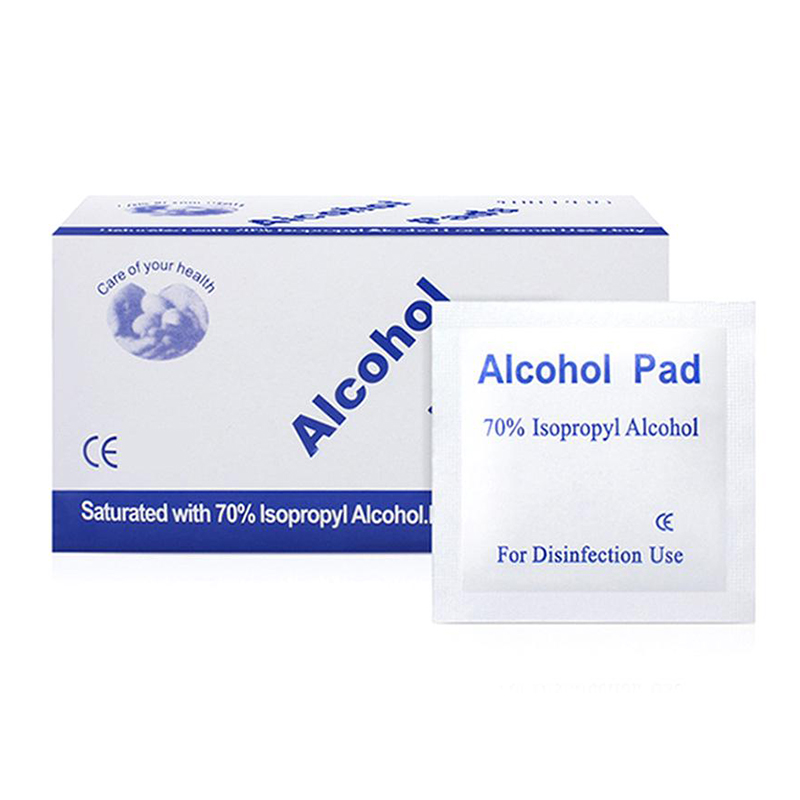
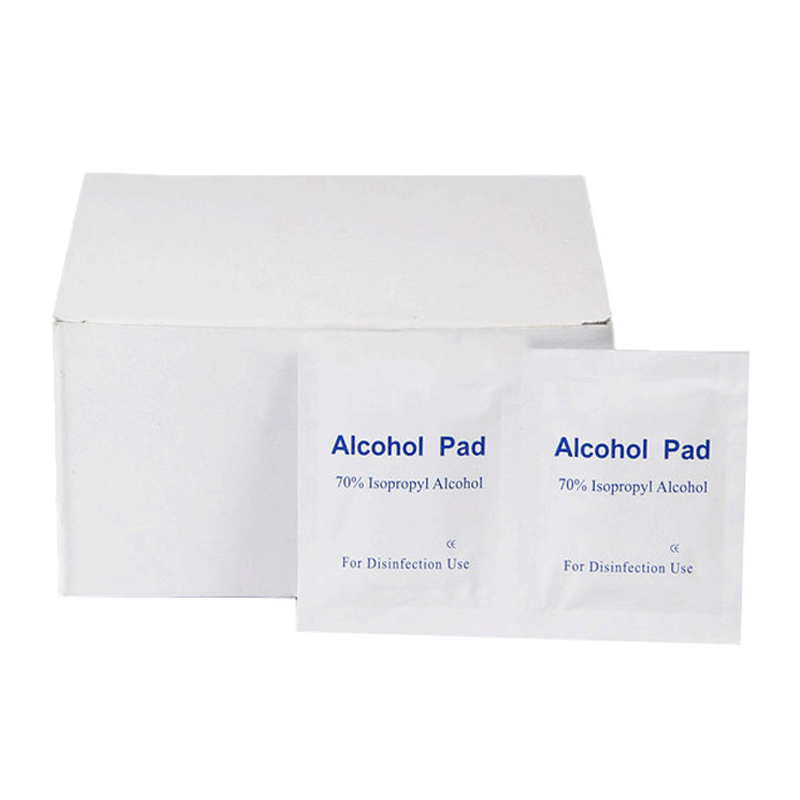
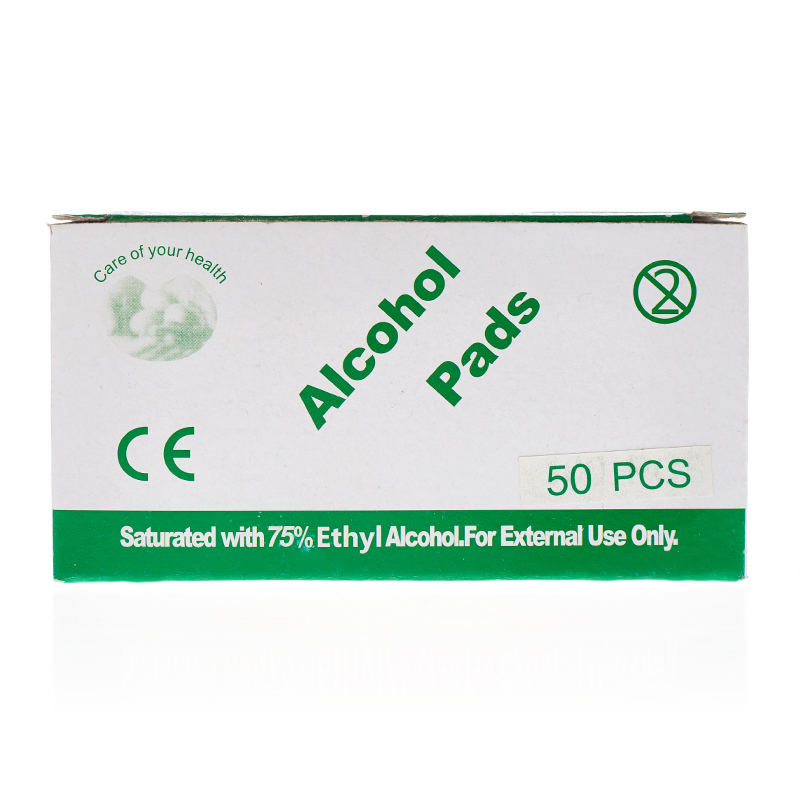
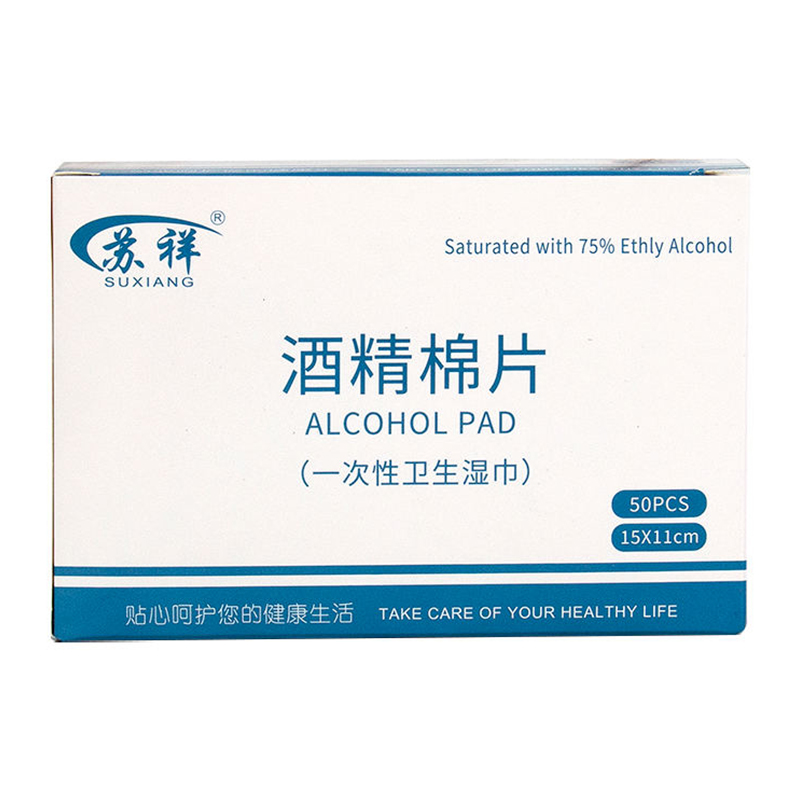
Multifunctional wipes provide a highly efficient, all-in-one solution for maintaining cleanliness across diverse environments, significantly reducing the need for multiple specialized cleaning products. By combining specialized materials with targeted cleaning solutions, these wipes offer immediate convenience and effective sanitation for everyday messes. Their primary value lies in their ability to instantly address spills, dust, and grime without the prerequisite of carrying buckets, sprays, and cloths. This single-tool approach saves both storage space and preparation time, making it an indispensable asset for busy households and commercial spaces alike.
In today’s fast-paced environment, the demand for quick and reliable cleaning methods has surged. Multifunctional wipes bridge the gap between deep cleaning sessions, ensuring that surfaces remain presentable and hygienic on a daily basis. They are engineered to handle a variety of tasks, from wiping down kitchen counters to sanitizing high-touch electronic devices. Understanding the composition, application, and environmental impact of these wipes is crucial for maximizing their utility while minimizing potential drawbacks.
The effectiveness of a multifunctional wipe is heavily dependent on its base material. Manufacturers utilize different fabric compositions to achieve varying levels of absorbency, durability, and scrubbing power. Choosing the right material ensures that the wipe performs optimally without damaging the surface being cleaned.
The most common base material is non-woven fabric, typically made from a blend of wood pulp and synthetic polymers like polyester. These materials are bonded together through mechanical, chemical, or thermal processes rather than being woven. Non-woven wipes are highly cost-effective, lightweight, and capable of holding a substantial amount of liquid. They are ideal for general-purpose cleaning, such as dusting shelves or wiping down dining tables, but they may tear if subjected to sharp edges or heavy scrubbing.
For more demanding tasks, wipes incorporating microfiber offer superior performance. Microfiber consists of ultra-fine synthetic fibers that are split to create a larger surface area. These microscopic fibers can trap dust, dirt, and even bacteria without the need for harsh chemicals, capturing particles significantly smaller than what traditional cotton fibers can hold. Multifunctional wipes made with microfiber are particularly effective on glass, mirrors, and polished surfaces, as they leave minimal streaking and lint behind.
As sustainability becomes a priority, natural fibers, especially bamboo, are gaining popularity. Bamboo fibers are naturally antibacterial, highly absorbent, and biodegradable. Wipes made from bamboo offer a soft texture that is gentle on delicate surfaces while maintaining enough structural integrity for everyday cleaning. They provide an excellent middle ground for consumers looking to reduce their environmental footprint without sacrificing cleaning power.
The true advantage of multifunctional wipes is demonstrated by their versatility across various settings. Instead of switching between different bottles and sponges, users can rely on a single type of wipe to manage multiple cleaning scenarios. Below is a breakdown of how these wipes can be applied in different areas of a typical household or workspace.
| Area | Application | Key Benefit |
|---|---|---|
| Kitchen | Countertops, stovetops, appliance handles | Quick grease removal and sanitation |
| Bathroom | Sinks, faucets, toilet exteriors | Soap scum dissolution and mold prevention |
| Electronics | Screens, keyboards, remote controls | Lint-free dusting and static reduction |
| Automotive | Dashboard, steering wheel, interior glass | Interior refreshment without water |
By utilizing a single product across these varied tasks, individuals can streamline their cleaning caddy and reduce clutter. It is important, however, to use a fresh wipe or a clean side of the wipe when moving from heavily soiled areas, like the bathroom, to more sensitive areas, like the kitchen, to prevent cross-contamination.
Not all multifunctional wipes are created equal. Selecting the right product requires an understanding of the specific cleaning challenges you face. Several factors influence a wipe's performance, including its moisture level, chemical formulation, and physical dimensions.
The amount of cleaning solution infused into the wipe determines how large of an area it can cover before drying out. A high-quality wipe should remain sufficiently moist from the first pull to the last, ensuring consistent application of the cleaning agent. If a wipe is too dry, it will simply push dust around rather than capturing it. Conversely, if it is overly saturated, it will leave pools of liquid on surfaces, requiring a secondary dry cloth to wipe away the residue.
The liquid solution within the wipe is what actively breaks down grime and eliminates pathogens. For everyday household use, it is advisable to seek formulations that balance efficacy with safety. Wipes containing mild surfactants are excellent for cutting through grease without leaving toxic residues. For sanitization purposes, solutions containing alcohol or gentle antimicrobial agents are effective. However, users should be cautious of heavily fragranced wipes, as artificial perfumes can trigger respiratory sensitivities in some individuals. Opting for fragrance-free or naturally scented options is a safer choice for enclosed spaces.
The physical size and thickness of the wipe dictate its scrubbing capability. Thicker wipes provide a better grip and can withstand more friction, making them suitable for removing stuck-on food or dried spills. A larger wipe can be folded multiple times, presenting a clean surface with each fold, thereby maximizing the usable area before disposal.
While the convenience of disposable wipes is undeniable, their environmental impact cannot be ignored. Traditional wipes made from synthetic fibers can take decades to decompose, contributing significantly to landfill waste. Furthermore, improper disposal—such as flushing wipes down the toilet—leads to severe blockages in municipal sewage systems. To mitigate these issues, consumers and manufacturers are shifting towards more sustainable practices.
The most effective way to reduce the ecological footprint of multifunctional wipes is to choose biodegradable options. Wipes made from 100% natural fibers, such as viscose from bamboo or wood pulp, can break down naturally in a matter of months under the right composting conditions. By selecting certified compostable wipes, users can enjoy the hygienic benefits of single-use products without contributing to long-term plastic pollution.
Another sustainable approach involves transitioning to reusable microfiber cloths paired with a refillable spray solution. While not strictly "single-use wipes," this system provides the same multifunctional utility. For those who prefer the pre-moistened convenience, some manufacturers offer bulk refill packs that allow consumers to reuse a durable plastic tub, significantly cutting down on plastic packaging waste. When disposable wipes must be used, they should always be discarded in the trash bin rather than flushed.
To get the most out of multifunctional wipes, users should adopt a few strategic habits. Proper usage not only ensures a cleaner surface but also extends the life of the product and safeguards the user's health.
By integrating these practices into daily routines, users can ensure that their use of multifunctional wipes is both highly effective and responsible. The evolution of these cleaning tools continues to focus on balancing human convenience with environmental stewardship, making them a continually relevant asset in modern maintenance.
Copyright © Yangzhou Suxiang Medical Instrument Co., LTD. The information provided on this website is intended for use only in countries and jurisdictions outside of the People's Republic of China. Wholesale Disposable Cleaning Wipes Suppliers