 English
 中文简体
中文简体

Home / News / Industry News / How to Choose Disinfecting Wipes Correctly for Maximum Safety and Effectiveness?
News categories
Product categories
Industry News
Jan 08,2026
How to Choose Disinfecting Wipes Correctly for Maximum Safety and Effectiveness?
Table of Contents
- I. Composition and Core Technology of Disinfecting Wipes
- II. Mechanism of Action of Disinfecting Wipes
- III. Key Factors in Choosing Disinfecting Wipes
- IV. Guidelines for the Use and Storage of Disinfectant Wipes
- V. Advantages of Disinfectant Wipes in Daily Life
- FAQ (Frequently Asked Questions)
I. Composition and Core Technology of Disinfecting Wipes
The base of disinfecting wipes is non-woven fabric, which is soft, durable, and easily absorbs liquids, allowing the wipes to evenly release active ingredients during cleaning. The core liquid of the wipes usually consists of disinfectants, moisturizers, and surfactants. The disinfectant is the most crucial part of the wipe, directly destroying the structure of bacteria and viruses and inhibiting their reproduction. Surfactants help remove grease and dirt, allowing the disinfectant to better contact the surface of microorganisms and improve sterilization efficiency.
During the manufacturing process, the liquid formula of the wipes needs to be strictly controlled to ensure that the active ingredients remain stable during storage and use. Different brands and product types may use alcohols, quaternary ammonium salts, or peroxides as the main disinfectant components. These components have their own characteristics; for example, alcohol disinfectants act quickly but evaporate quickly; quaternary ammonium salts are highly stable, but may have limited effectiveness against some drug-resistant bacteria.
II. Mechanism of Action of Disinfecting Wipes
The core function of disinfecting wipes is to eliminate or inhibit microorganisms through chemical and physical actions. The chemical action mainly involves the disinfectant destroying the cell membrane or protein structure of microorganisms, rendering them inactive. The physical action removes dust, grease, and pathogens attached to the surface through wiping.
In actual use, the bactericidal effect of the wipes depends not only on the formula but also on the wipe material, moisture content, and method of use. Highly absorbent non-woven fabric can maintain even liquid distribution, ensuring that each wipe effectively covers the surface. Correct wiping methods can also extend the contact time between the disinfectant and the surface, improving the sterilization rate.
Disinfecting wipes are effective not only against common bacteria and viruses but also provide significant protection against some viruses with lipid membranes, such as influenza viruses and coronaviruses. Therefore, their application in homes, medical institutions, and public places is of great importance.
III. Key Factors in Choosing Disinfecting Wipes
Choosing effective and safe disinfecting wipes requires considering multiple factors. First, consider the active ingredients. Different disinfectants are effective against different types of microorganisms, so you should choose according to your specific needs. For example, if broad-spectrum sterilization is required, you should choose a formula that is effective against a variety of bacteria and viruses.
Secondly, consider the material and thickness. High-quality non-woven fabric not only enhances wiping coverage but also prevents tearing during wiping, ensuring the disinfectant is fully released. Moisture content is also a key indicator; wipes that are too dry may reduce the sterilization effect, while those that are too wet may drip and waste liquid.
Safety is also an important factor. Wipes may come into contact with skin, tableware, or children's items during prolonged use, so the product should undergo skin irritation and toxicology tests to ensure it does not cause harm during daily use. High-quality brands usually label the specific ingredients, usage precautions, and applicable scope, providing clear guidance to consumers.
IV. Guidelines for the Use and Storage of Disinfectant Wipes
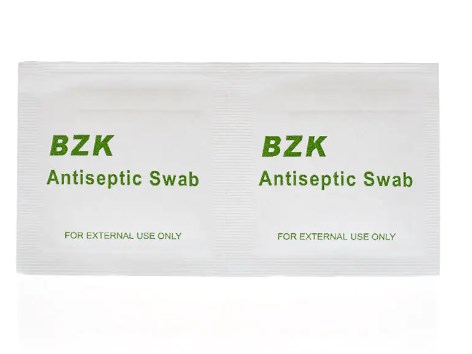
Correct use of disinfectant wipes maximizes their sterilization effect. Before use, ensure the wipe surface is intact and the liquid is sufficient, and avoid direct exposure to high temperatures or strong light to prevent degradation of the active ingredients. When wiping hard surfaces, maintain moderate pressure to ensure full contact between the wipe and the surface. After use, seal the wipe back into the packaging to prevent moisture evaporation and contamination.
Storage conditions directly affect the effectiveness of disinfectant wipes. Generally, they should be stored in a cool, dry, and dark environment, and avoid contact with strong acids, strong bases, or flammable materials. Proper storage not only extends the product's lifespan but also ensures stable sterilization performance during use.
V. Advantages of Disinfectant Wipes in Daily Life
The convenience and efficiency of disinfectant wipes make them an indispensable hygiene tool in modern life. Compared to traditional disinfectants and rags, wipes do not require additional water sources or towels, are convenient to use, and reduce the risk of cross-contamination. Their single-use nature ensures that each cleaning maintains a high standard of hygiene.
With improved formulations, wipes not only have disinfecting functions but also consider skin-friendliness and environmental protection. Alcohol-free or low-irritation formulas protect health while reducing irritation to the skin and respiratory tract, meeting the needs of various daily applications.
FAQ (Frequently Asked Questions)
Q: Can disinfectant wipes be stored for a long time?
A: Disinfectant wipes usually remain effective when unopened and stored in a cool, dry environment, but after the expiration date indicated on the packaging, the active ingredients may degrade, reducing their germ-killing effectiveness.
Q: Do different brands of wipes have significantly different germ-killing effects?
A: The differences mainly lie in the type and concentration of active ingredients, as well as the wipe material and liquid formulation. High-quality wipes usually undergo rigorous germ-killing tests and offer broader spectrum effectiveness and higher safety.
Q: Can disinfectant wipes be used on food contact surfaces?
A: Some wipes are certified safe for food contact, but you should choose products that are clearly labeled as suitable for tableware or food surfaces, and ensure the surface is dry after wiping.
Q: Can wipes cause skin irritation?
A: High-quality wipes usually contain moisturizers and have low-irritation formulas that are safe for skin contact. However, sensitive individuals or children should still check the ingredient label before use and avoid prolonged or extensive contact.
related products

ADD:West side of Baoyuan Road, Industrial Concentration Zone, Anyi Town, Baoying County, Yangzhou City, Jiangsu Province, China 225800
Phone: 0086-18115449718
E-mail:2850391871@qq.com
Products & Solutions
Copyright © Yangzhou Suxiang Medical Instrument Co., LTD. The information provided on this website is intended for use only in countries and jurisdictions outside of the People's Republic of China.
