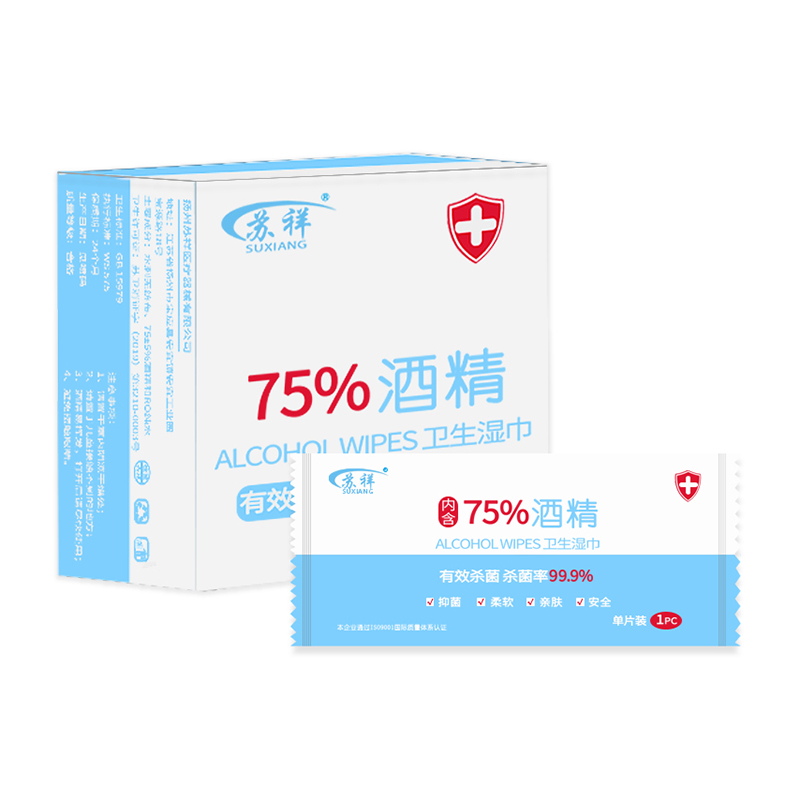
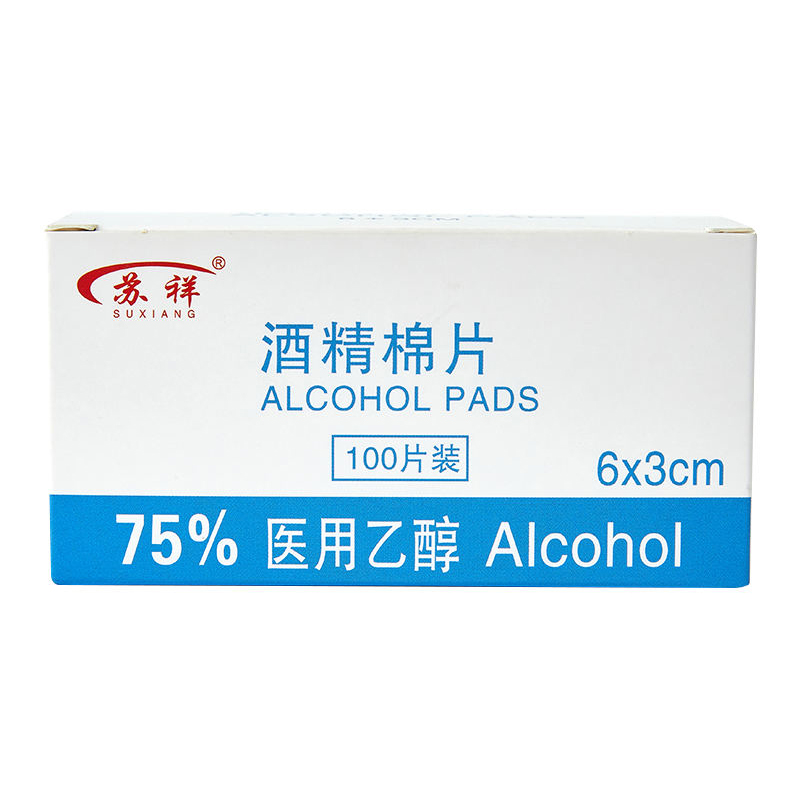
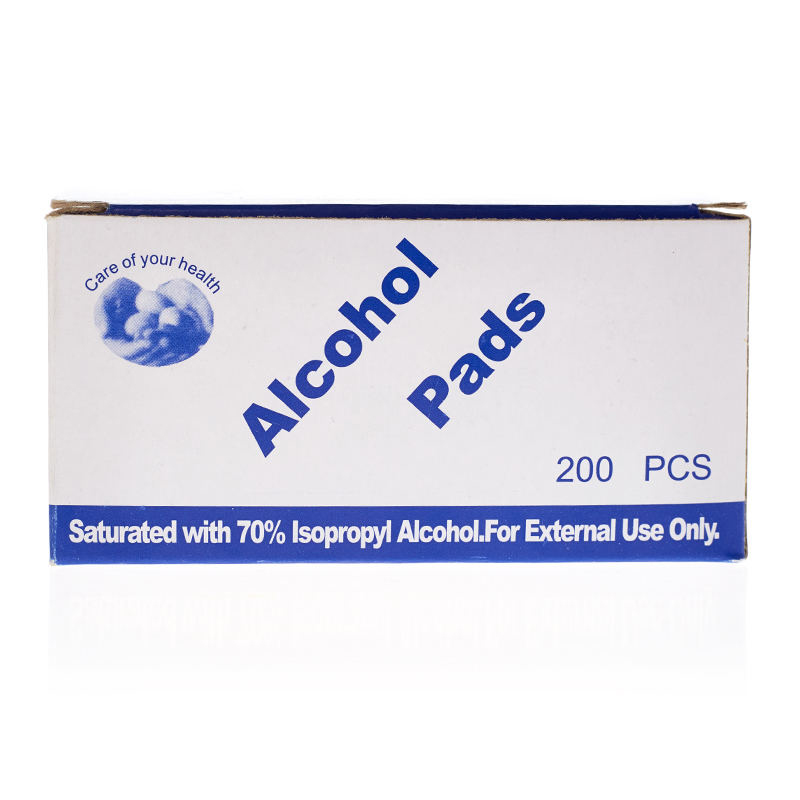
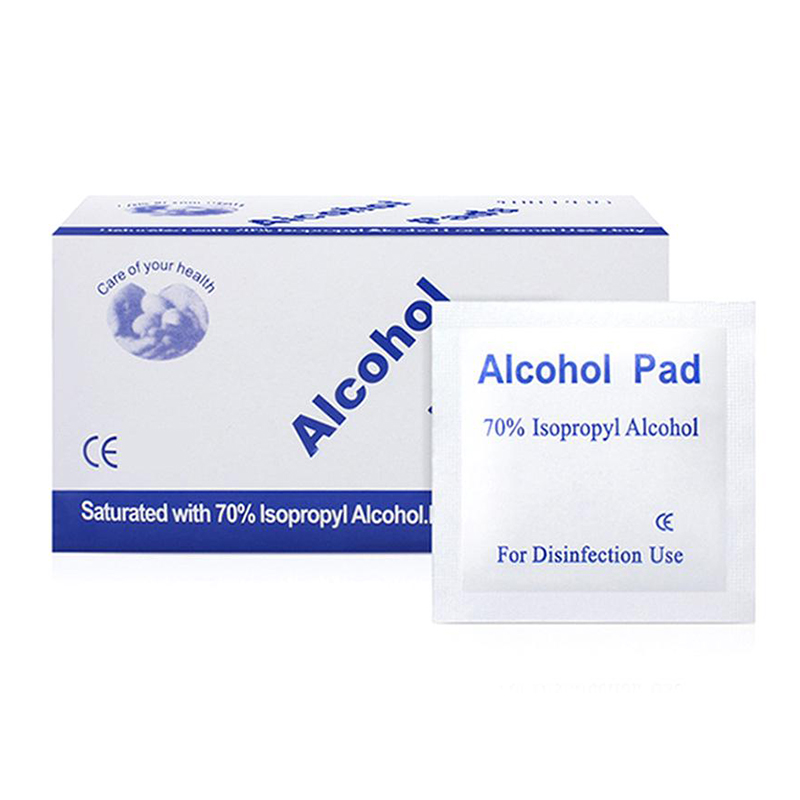
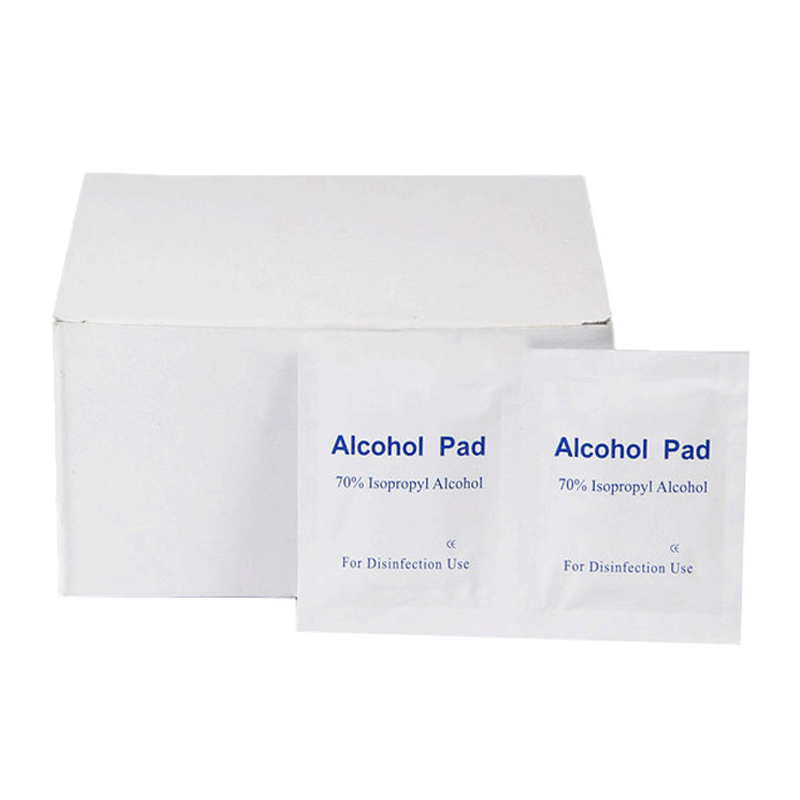
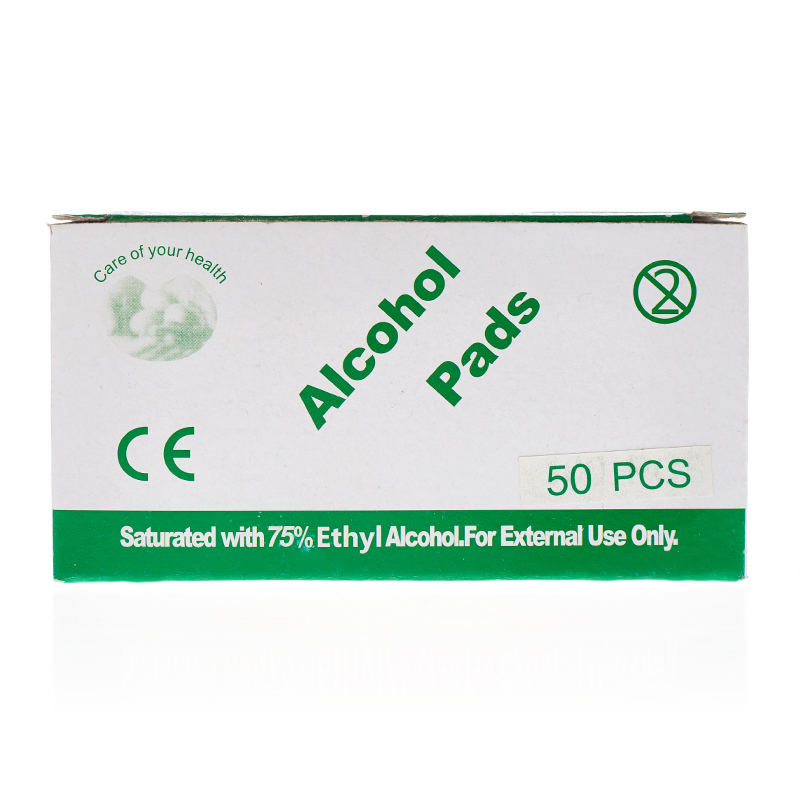
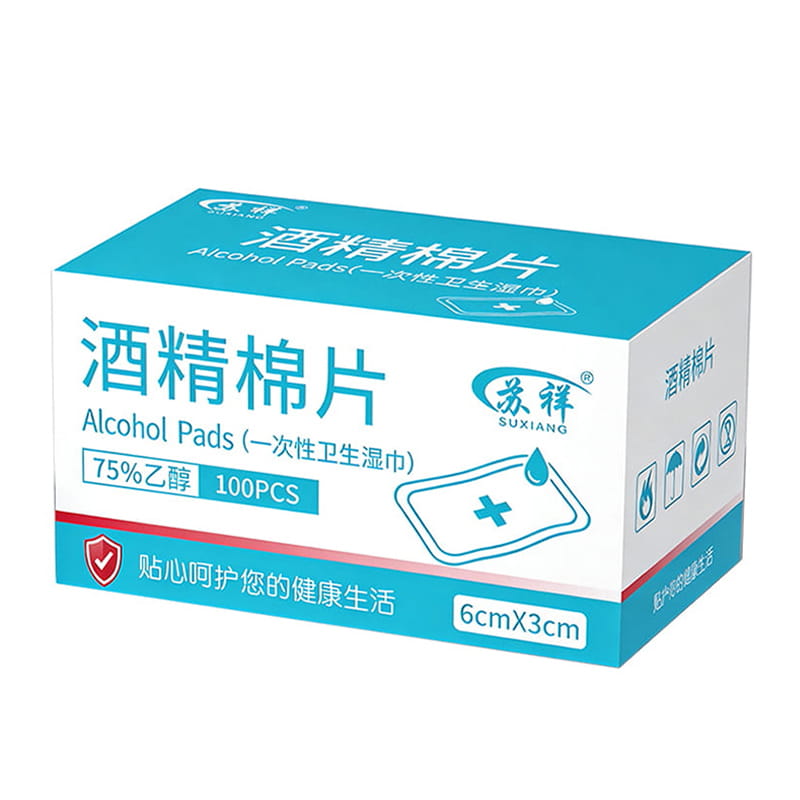
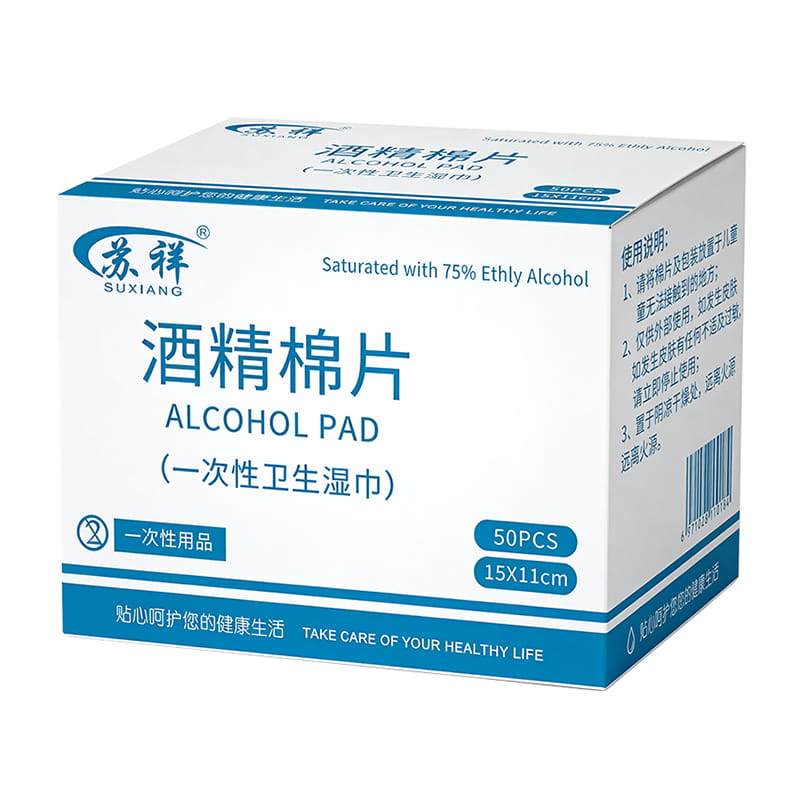
Alcohol wipes serve as a primary defense against microbial contamination, offering a rapid and portable method to neutralize pathogens on both skin and non-porous surfaces. When utilized correctly, these wipes destroy the protein structures of bacteria and enveloped viruses, rendering them inactive almost immediately upon contact. The core conclusion regarding their use is that their effectiveness relies entirely on two critical factors: maintaining an alcohol concentration between sixty and ninety percent, and allowing the appropriate contact time for the solution to evaporate naturally rather than being wiped away prematurely. Understanding these parameters allows individuals to leverage alcohol wipes not merely as convenient cleaning tools but as precise instruments of infection control in everyday life, bridging the gap between basic sanitation and clinical-level hygiene.
The disinfecting power of alcohol wipes stems from the chemical properties of isopropyl alcohol and ethyl alcohol. These compounds act as potent denaturing agents. When applied to a microbe, the alcohol penetrates the cell membrane and aggressively disrupts the proteins and lipids essential for the organism's survival. This structural collapse leads to the immediate neutralization of the pathogen, preventing it from reproducing or causing infection.
However, concentration is the most critical variable in this chemical process. A concentration below sixty percent lacks the potency to break down protein structures efficiently, while concentrations above ninety percent evaporate too rapidly to achieve sufficient contact time. The optimal range ensures that the alcohol remains on the surface long enough to destroy the cellular infrastructure before evaporating into the atmosphere. Furthermore, the presence of water in the solution is vital, as it slows down the evaporation rate and acts as a catalyst in the protein denaturation process, making moderate concentrations far more lethal to pathogens than pure alcohol.
In domestic environments, alcohol wipes bridge the gap between routine cleaning and deep sanitation. High-touch surfaces act as reservoirs for pathogens, making targeted disinfection a necessity rather than a luxury. Key areas include mobile devices, which studies have shown frequently harbor more bacteria than common bathroom fixtures, along with door handles, light switches, and television remotes. By systematically wiping these items, households can significantly interrupt the chain of transmission. Additionally, these wipes are invaluable for sanitizing personal items brought into the home from public spaces, such as keys, wallets, and eyeglasses, ensuring that external pathogens do not establish a foothold indoors.
Workplaces present unique challenges due to the shared nature of equipment and communal spaces. In office settings, alcohol wipes should be used to sanitize shared workstations, keyboards, and computer mice between shifts or different users. In clinical or laboratory settings, the stakes are considerably higher. Alcohol wipes are mandated for pre-injection skin preparation, cleaning stethoscopes, and wiping down non-critical medical equipment between patient interactions. The portability of individually packaged wipes allows professionals to maintain strict hygiene protocols even when moving between different rooms or workstations, providing an immediate solution to cross-contamination risks.
Using alcohol wipes effectively requires more than a casual swipe over a surface. Proper technique ensures that the chemical action of the alcohol has the maximum impact on the microbial load. To achieve optimal disinfection, one must adhere to a specific sequence of actions that prioritize thorough coverage and adequate exposure time.
Adhering to these steps transforms the act of wiping from a superficial gesture into a scientifically sound method of pathogen control, maximizing the efficacy of the alcohol solution.
Despite their versatility, alcohol wipes possess distinct limitations that users must respect to avoid accidents or a false sense of security. Firstly, alcohol is highly flammable. Wipes must never be used near open flames, stoves, or in environments with a high risk of sparking. Secondly, alcohol degrades certain materials. Prolonged use on rubber, certain plastics, and treated wood can cause cracking, discoloration, or the stripping of protective finishes. Furthermore, while alcohol is highly effective against enveloped viruses and vegetative bacteria, it exhibits limited efficacy against non-enveloped viruses, bacterial spores, and fungal spores. Recognizing these constraints ensures that alcohol wipes are deployed only in appropriate scenarios.
Choosing the appropriate alcohol wipe depends entirely on the intended application. Isopropyl alcohol is generally preferred for surface disinfection due to its rapid evaporation rate and lower risk of leaving streaky residues. In contrast, ethyl alcohol is often favored for skin antisepsis as it tends to be less drying and is more effective against certain viral strains. The material of the wipe itself also matters significantly. Non-woven substrates offer superior durability and liquid retention compared to paper-based alternatives, preventing lint from being left behind on sensitive surfaces. When selecting a product, consider the concentration, the alcohol type, and the packaging, ensuring that resealable packs are utilized to prevent moisture loss over time.
| Characteristic | Isopropyl Alcohol | Ethyl Alcohol |
|---|---|---|
| Primary Use | Surface Disinfection | Skin Antisepsis |
| Evaporation Rate | Moderate to Fast | Fast |
| Skin Drying Effect | More Drying | Less Drying |
| Residue Left Behind | Minimal | Slight (if denatured) |
Copyright © Yangzhou Suxiang Medical Instrument Co., LTD. The information provided on this website is intended for use only in countries and jurisdictions outside of the People's Republic of China. Wholesale Disposable Cleaning Wipes Suppliers